About the Place
This tour takes you through some of India’s most sacred and culturally
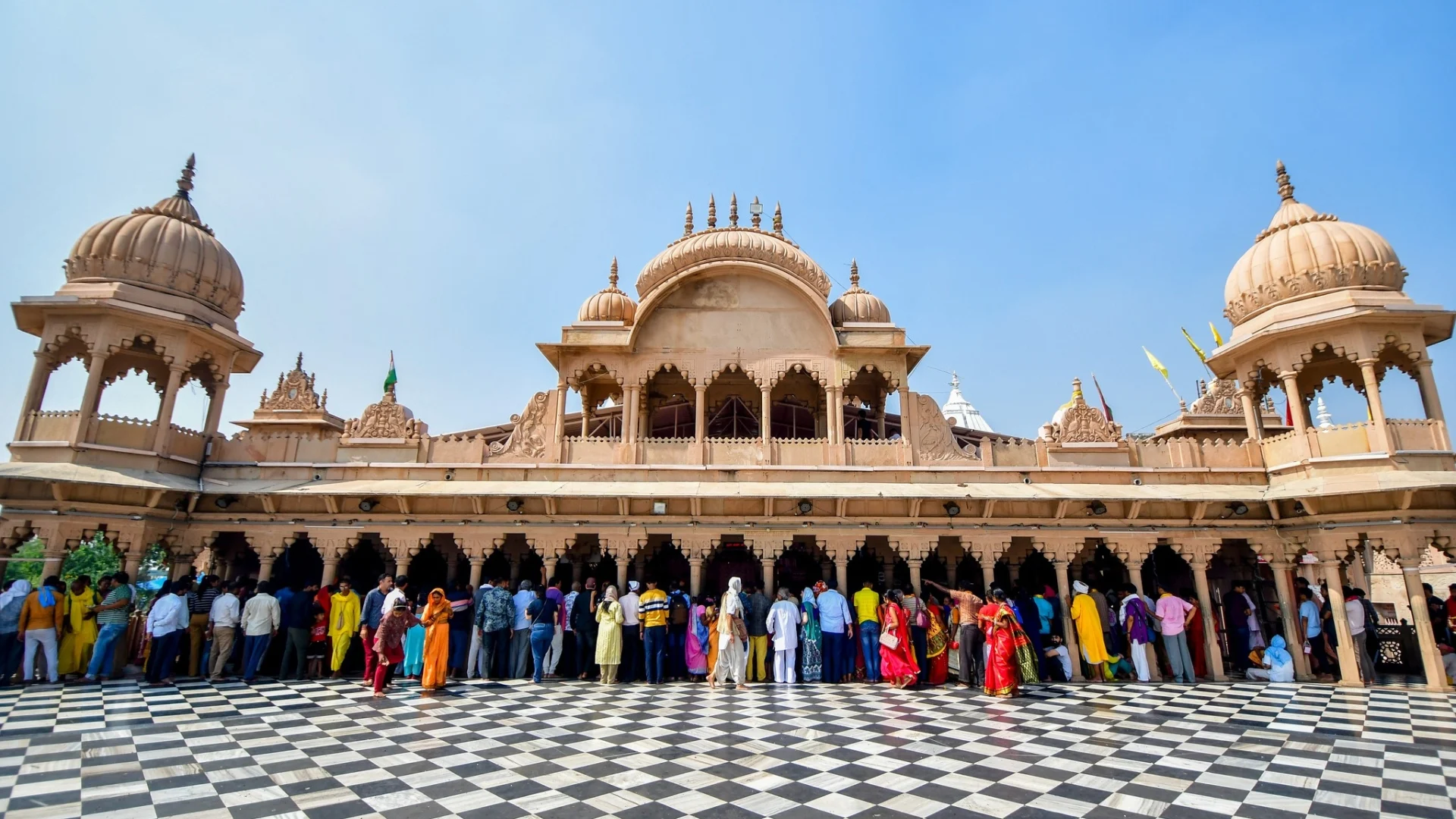
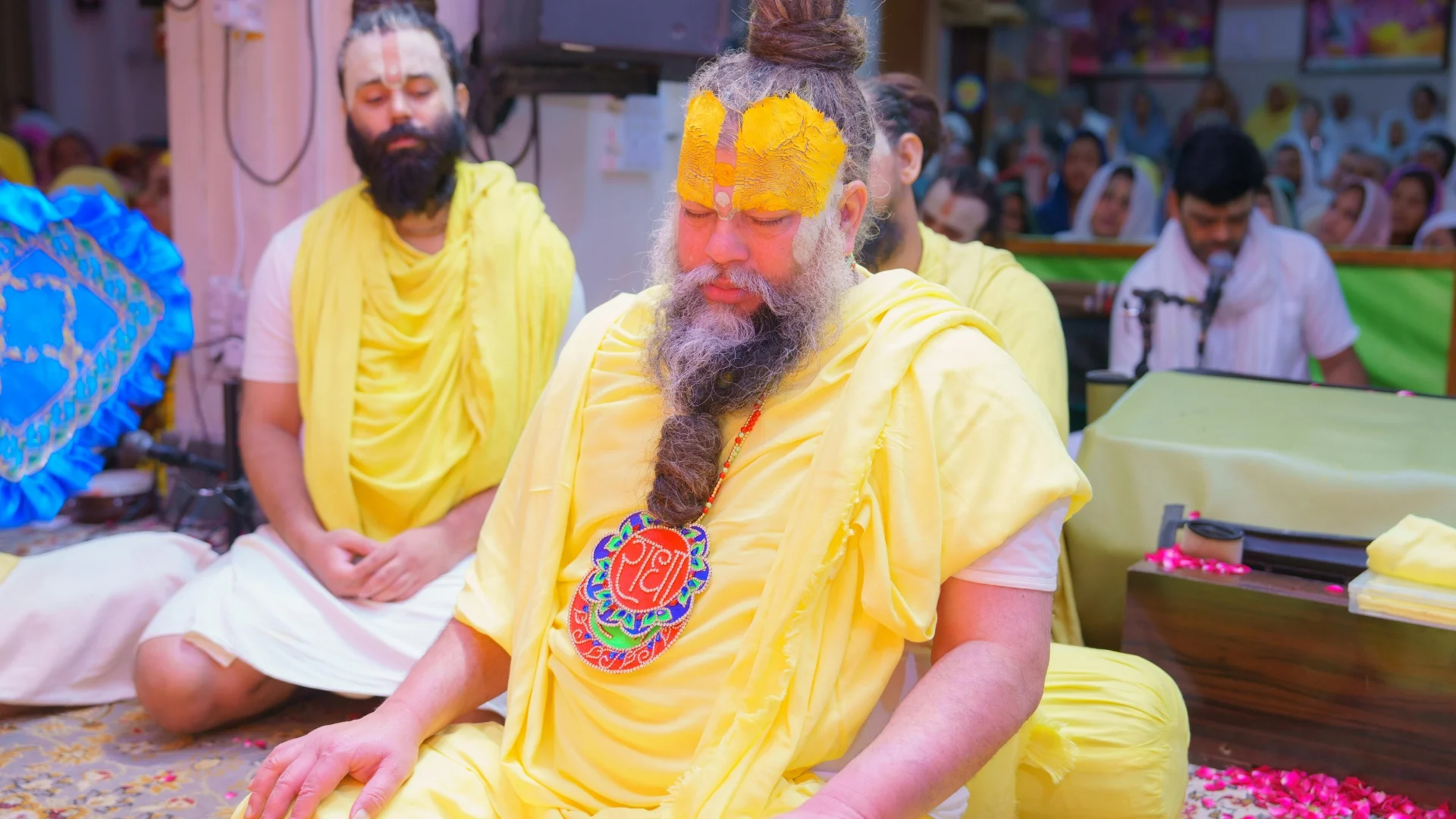
rich destinations. Mathura and Vrindavan, part of Braj Bhoomi, are
known as the birthplace and childhood home of Lord Krishna. The
temples, ghats, and forests here echo divine tales from Hindu
scriptures.
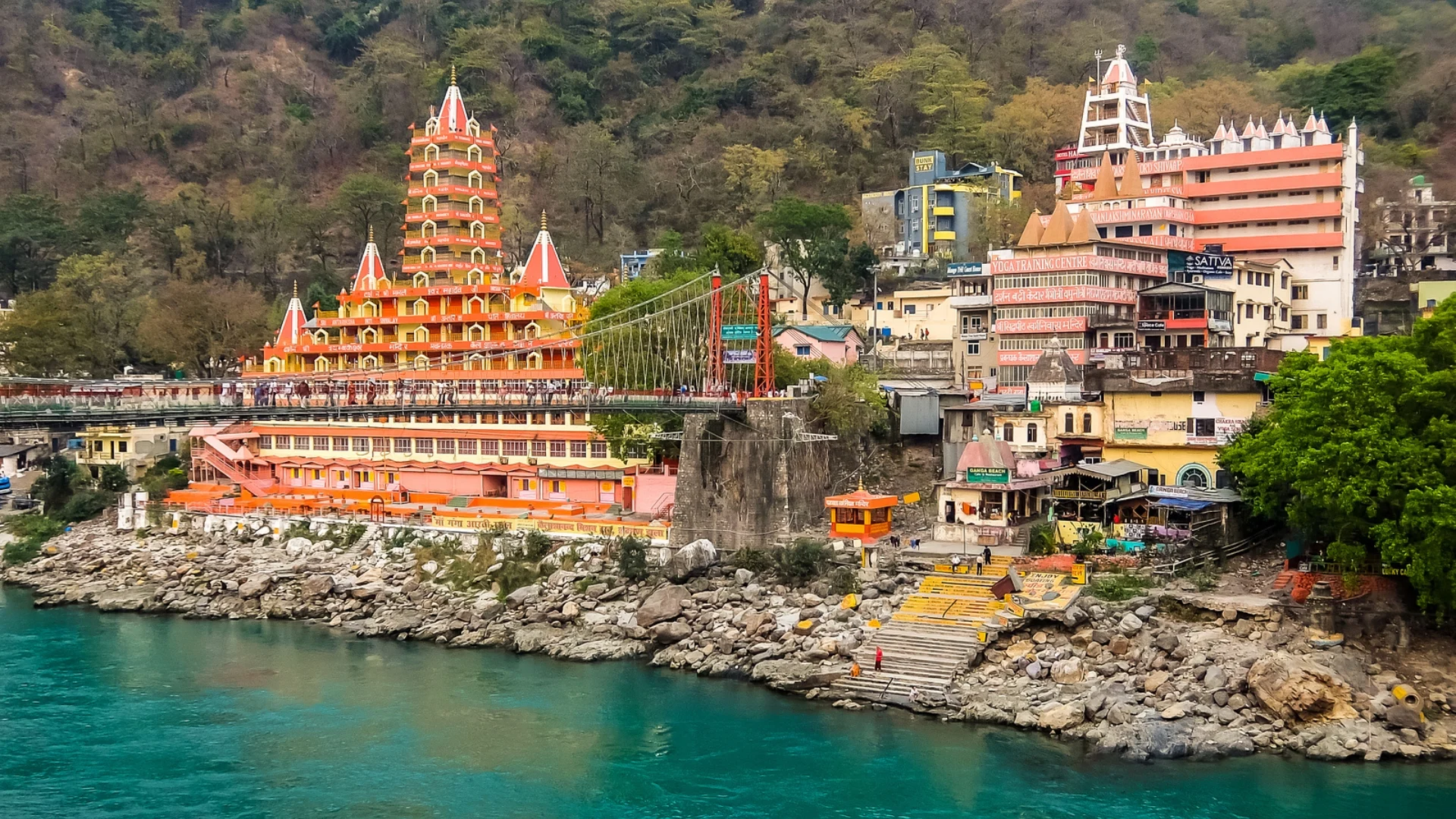
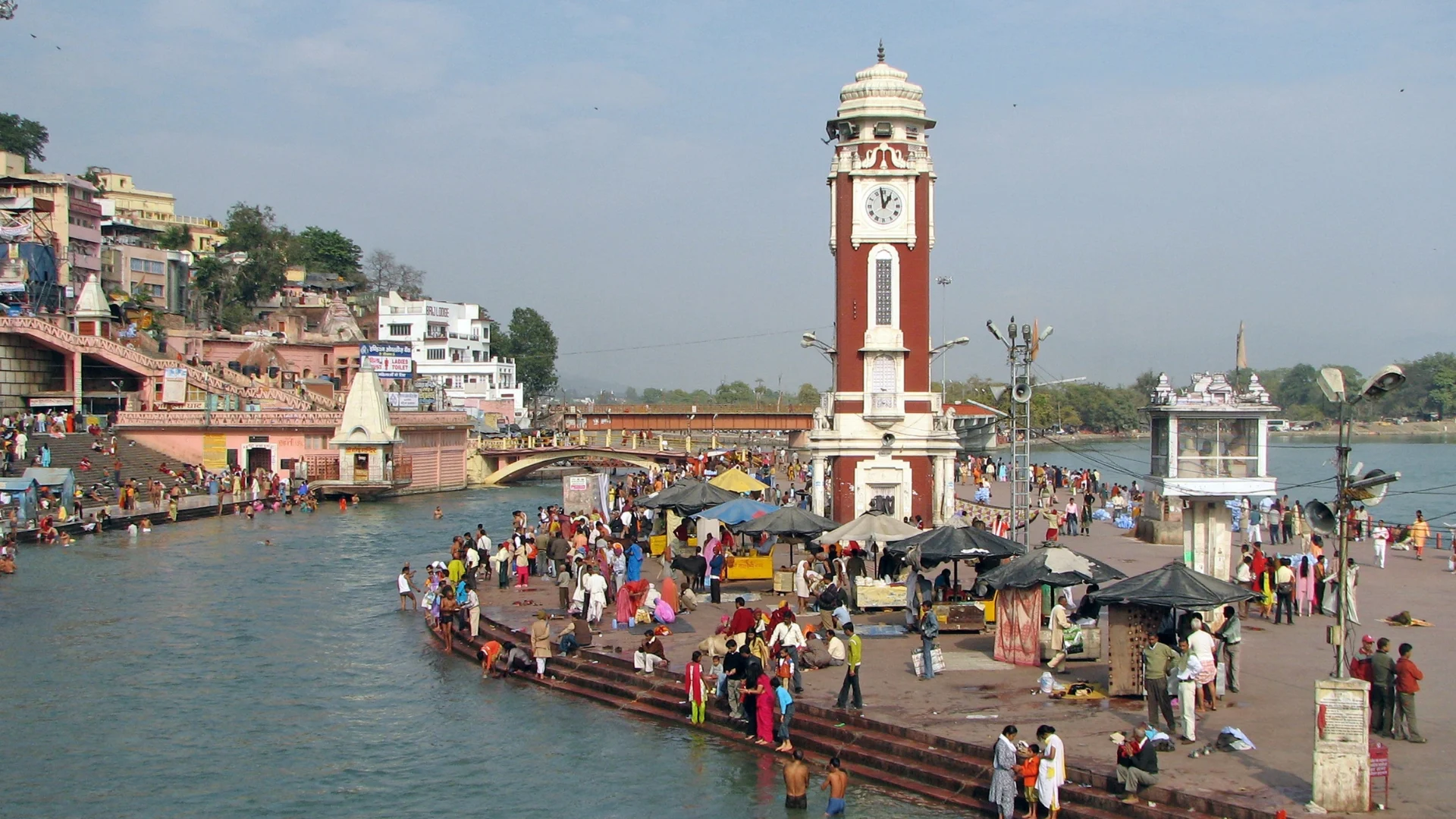
Haridwar and Rishikesh sit peacefully along the holy Ganga River.
Haridwar is famous for the Ganga Aarti at Har Ki Pauri, while
Rishikesh draws seekers with its yoga ashrams, tranquil ghats, and
iconic suspension bridges like Laxman Jhula and Ram Jhula.
To complete this spiritual and cultural journey, Agra offers timeless
Mughal heritage through the Taj Mahal and Agra Fort. This 7-day
itinerary is a perfect mix of devotion, architecture, serenity, and
flavor.
Rich Heritage and History of the Region
Mathura and Vrindavan date back to the 6th century BCE and are deeply
linked with the legends of Krishna. Mathura is revered as his
Janmabhoomi (birthplace), while Vrindavan is known for his divine play
with Radha and the gopis.
Haridwar, one of Hinduism’s Sapta Puri (seven holy cities), has been a
gateway to the gods since Vedic times. It marks the beginning of the
sacred Char Dham Yatra.
Rishikesh is known as the Yoga Capital of the World. Saints have
meditated here for centuries, and Lord Rama is believed to have
performed penance here. It gained global fame after The Beatles
visited in the 1960s.
Agra was the seat of the Mughal Empire and holds three UNESCO World
Heritage Sites. The Taj Mahal, built by Emperor Shah Jahan for his
queen Mumtaz Mahal, is a world-renowned symbol of love and artistry.
Best Time to Visit This Spiritual & Cultural Circuit
The best time to book this tour is from October to March, when the
weather is ideal for sightseeing and outdoor aarti ceremonies.
-
Winter (Nov–Feb): Cool and comfortable—carry woolens for Haridwar &
Rishikesh mornings.
-
Monsoon (Jul–Sep): Scenic and green, though heavy rain may delay
travel.
-
Summer (Apr–Jun): Hot in Mathura and Agra; manageable with AC
travel. Haridwar and Rishikesh remain cooler.
Note: Avoid major religious festival weeks unless you're comfortable
with large crowds. Holi in Vrindavan is beautiful but intense for
first-time visitors.
Best Food to Try
This journey is a delight for vegetarian food lovers. Most eateries
serve sattvic meals (no onion, garlic, or meat), particularly in
spiritual towns.
- Mathura Pedas: Iconic milk sweets made with khoya and sugar.
-
Kachori-Sabzi: Deep-fried crispy snack with spicy potato curry.
-
Lassi & Rabri: Thick and creamy dairy treats to cool down after
temple visits.
-
Chhappan Bhog Thali: A 56-item devotional meal served in temples on
select days.
-
Street Snacks in Vrindavan: Aloo tikki, dahi bhalla, jalebi, and
more.
-
Haridwar: Visit Chotiwala Restaurant or local dhabas for wholesome
thalis.
-
Rishikesh: Enjoy organic cafés, smoothie bowls, and herbal teas
popular among foreigners.
-
Agra: Try Petha (ash gourd sweet) and Bedai-Jalebi for a hearty
local breakfast.
Tip: Always choose bottled water and avoid uncooked street food if
you’re not used to Indian spices.
Tips for Planning
-
Start Early: Temples open at sunrise. Morning visits are peaceful
and less crowded.
-
Dress Modestly: Carry clothing that covers shoulders and knees for
temple visits.
-
Comfortable Footwear: Many areas involve walking. Slip-ons help at
temples where shoes must be removed.
-
Respect Local Customs: Silence phones, no photography inside
sanctums, and follow temple guidelines.
-
Hydration Essentials: Carry water, sunscreen, and basic medicines
with you.
-
Book Early: Secure your hotels and transport well in advance for
peak seasons and festival dates.
-
Cash is Preferred: Many vendors do not accept cards or UPI payments.
-
Hire Local Guides: Guides in Gokul, Haridwar, and Agra provide
meaningful insights and context.
-
Stay Near Temples or Ghats: Easier access to morning and evening
rituals.
-
Travel Insurance: A smart choice for longer trips with multiple
locations.