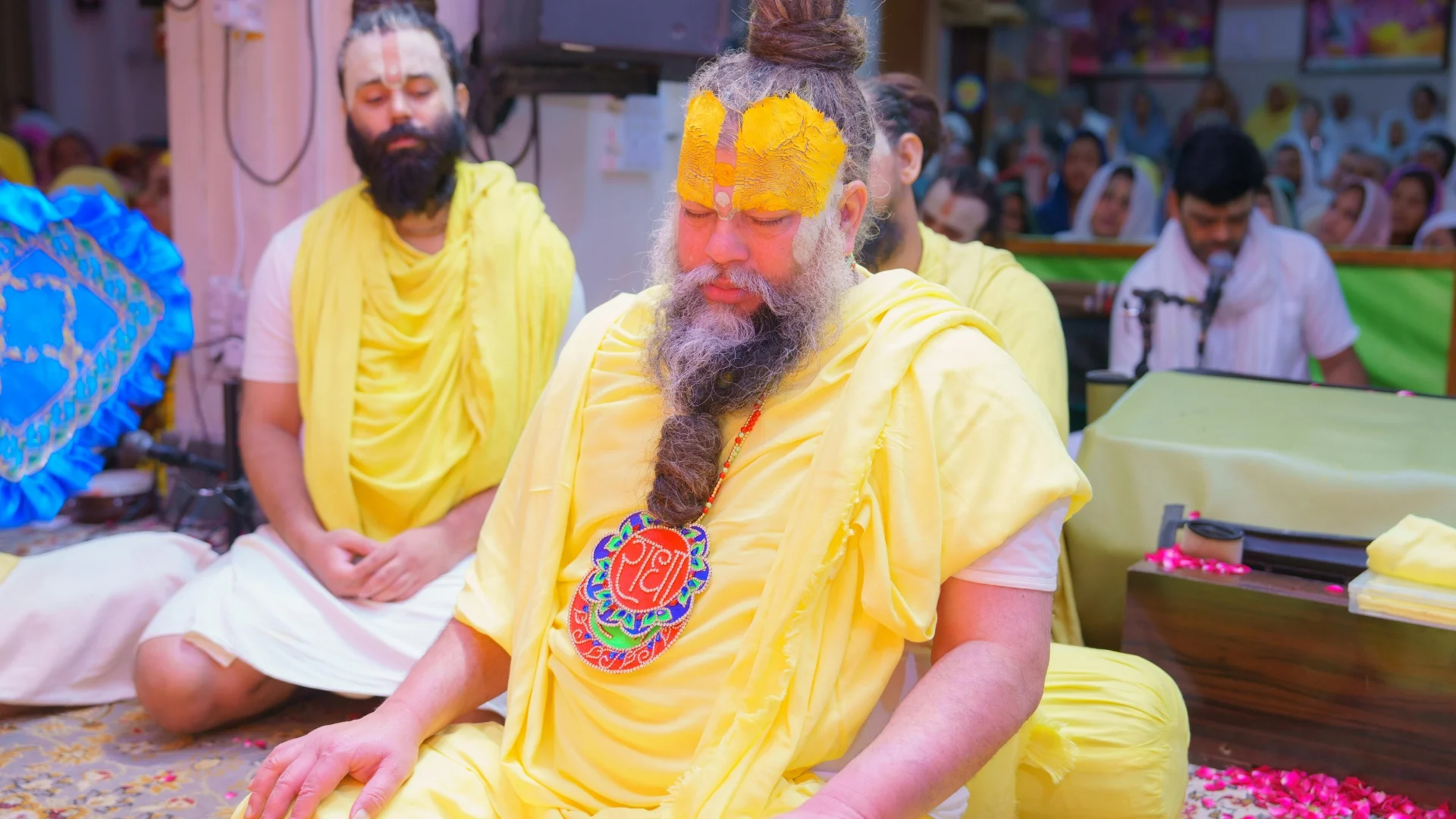
About the Place
The Golden Triangle of Delhi, Agra, and Jaipur is one of the most
iconic travel circuits in India. The three culturally rich cities
largely form a triangle on the map. The addition of Vrindavan, the
sacred land of Lord Krishna, adds a spiritual and soulful touch to the
tour. There are winding roads reverberating with devotional chants,
colorful temples, and a life all about Radha-Krishna.
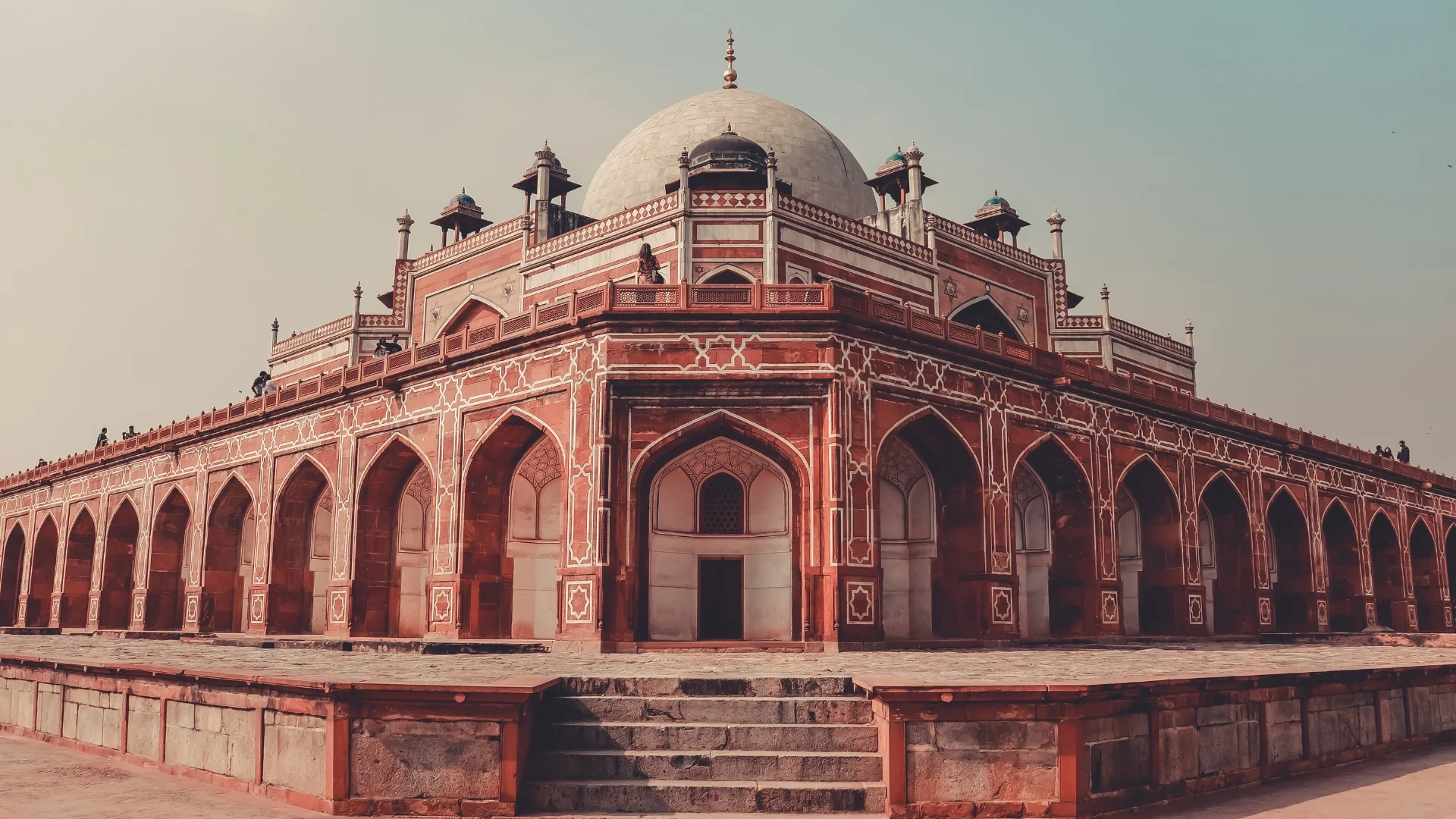
In Delhi, the clash of ancient and modern worlds occurs. Be enchanted
by Mughal grandeur and architecture, such as the Red Fort and
Humayun’s Tomb, then sink into the chaos of Chandni Chowk or stroll
through colonial elegance in Connaught Place.
The Agra Duchess offers romance with a legacy. With its white marble
beauty and tragic love story, the Taj Mahal is often described as the
most beautiful building in the world. Then, Agra Fort and Mehtab Bagh
join the Mughal narrative.
Blend majestic history with peaceful spirituality in a thoughtfully
arranged 4-day tour. Watching the evening aarti at the Yamuna ghats in
Vrindavan or walking through ancient forts with a knowledgeable guide,
this itinerary offers the perfect balance of devotion, culture, and
storytelling—the choice of every solo seeker, inquisitive family, and
romantic duo!
Rich Heritage and History of the Region
The Golden Triangle route recreates the pathway of famous empires,
devotion, and architecture. Delhi, formerly the Mughals' seat and then
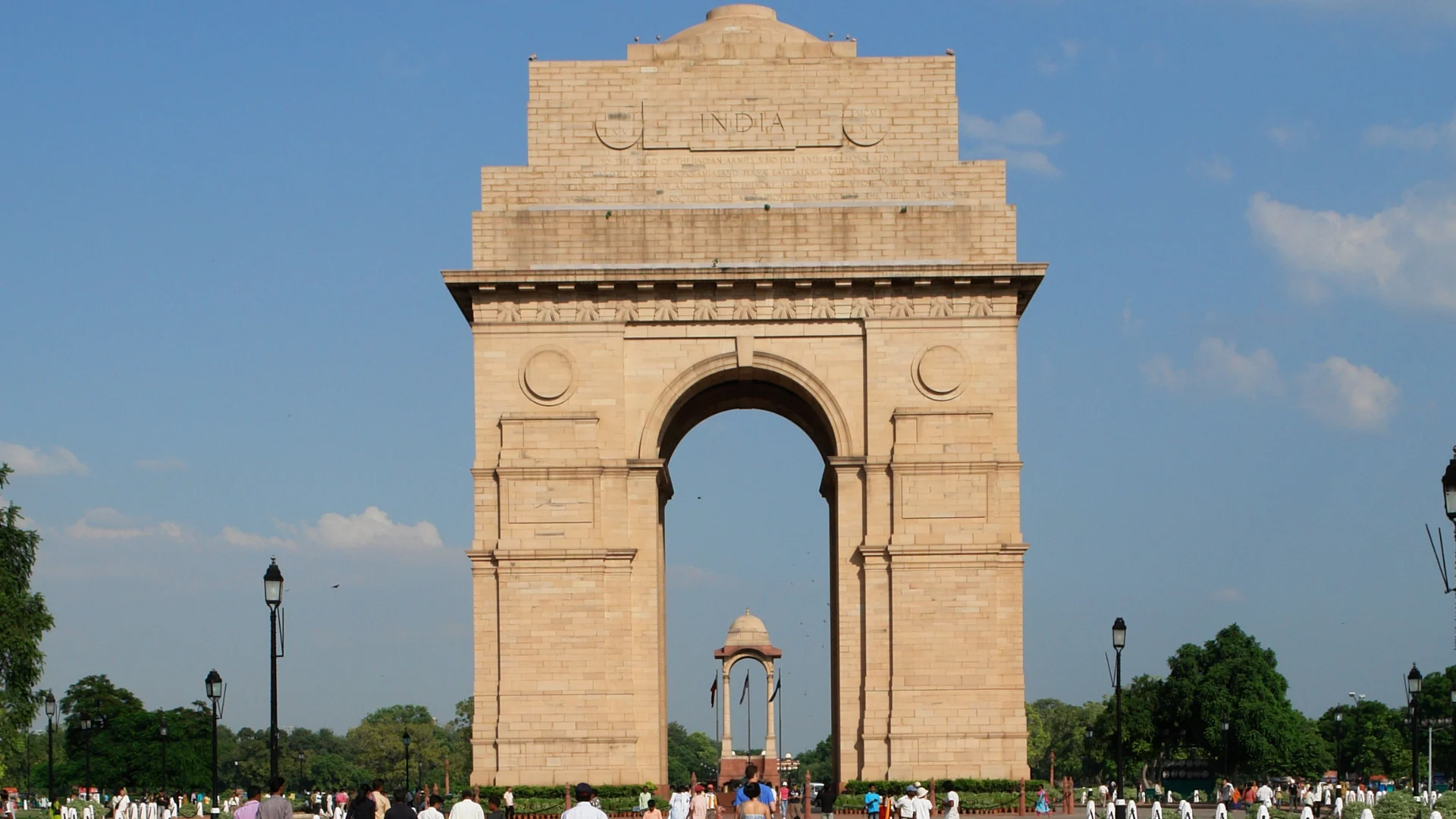
of the British Raj, has centuries-old monuments such as the Qutub
Minar, India Gate, and Red Fort. Each monument tells its own tale of
conquest, revolution, and dynasty.
Agra, the jewel of the Mughal Empire, rose to architectural grandeur
under Shah Jahan. Out of love for Mumtaz Mahal, he made the Taj Mahal,
which is now a UNESCO World Heritage Site and recognized universally
as a symbol of love. Agra Fort, a walled city in itself, is witness to
the secretive life of royal governance.
On the other hand, Vrindavan comes laden with mythological lore. It is
said that this is where Krishna spent his childhood days with the
playing of his magical flute, performing divine play, and winning
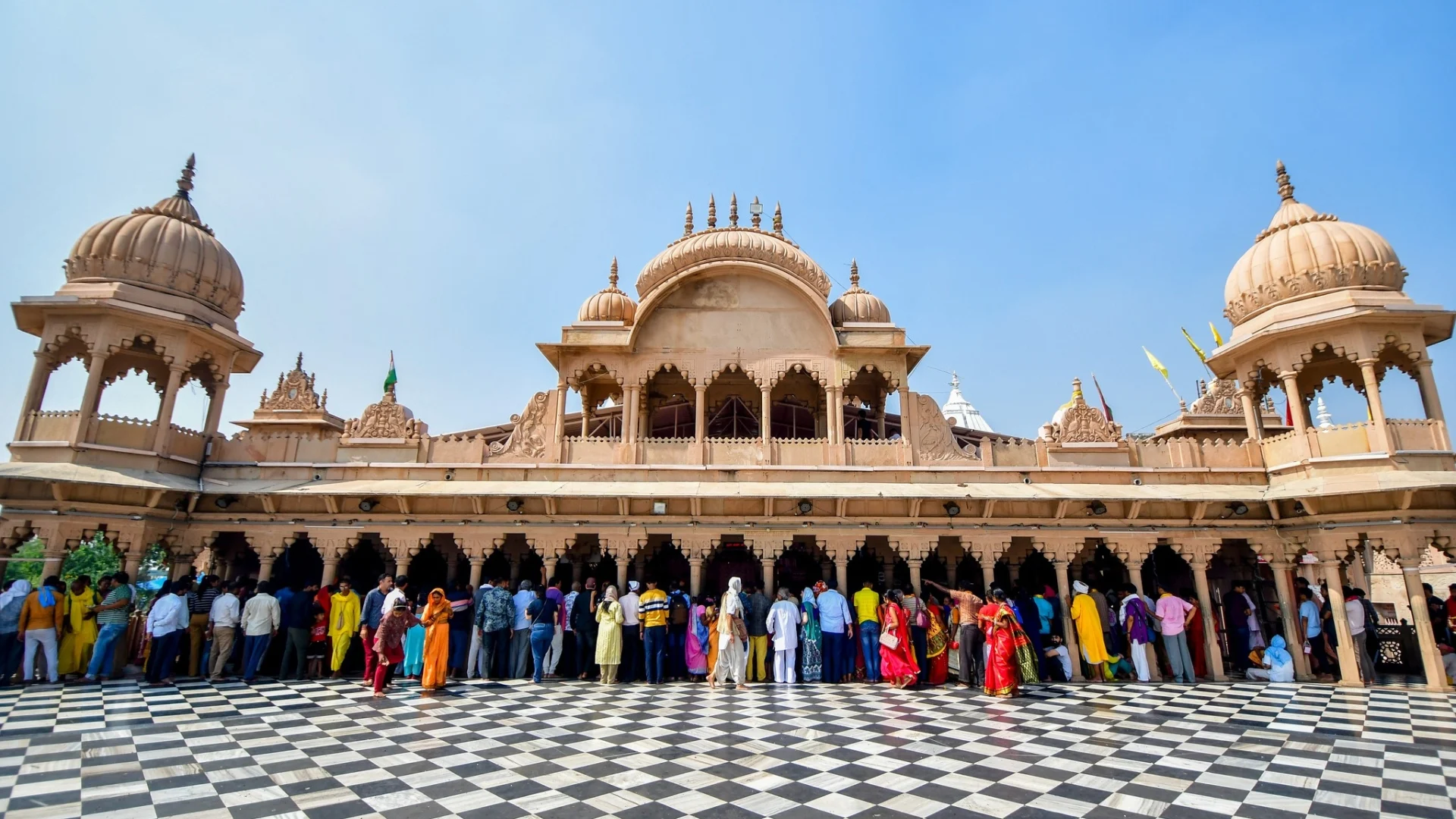
hearts galore. The town has more to offer than temples; it offers
faith in motion. There are stories of eternal love told through
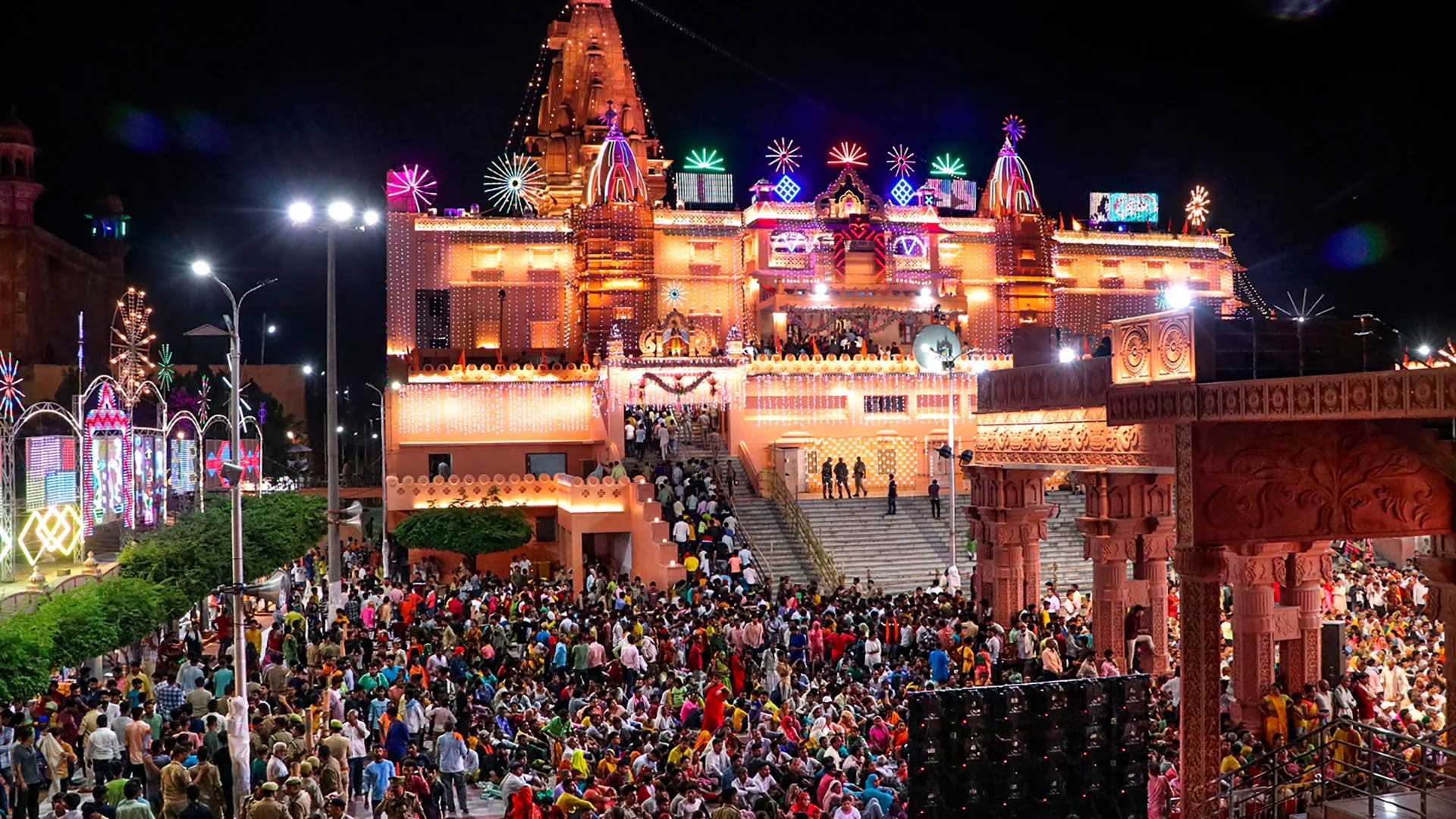
spontaneous artis at Banke Bihari Temple, through ISKCON's organized
devotion, and through the lights at Prem Mandir.
The two stories intertwine through these destinations—the divine
mythology of India and its royal history—making this tour a journey
into time and spirit.
Best Time to Visit This Spiritual & Cultural Circuit
From October to March is the best time to explore the Golden Triangle
with Vrindavan. During these months, the weather will be pleasant with
daytime temperatures somewhere between 10°C and 25°C, providing an
ambience conducive for outdoor travel. With a good breeze and a clear
sky, one can very well sail in the charm of forts, temples, and
vibrant markets.
This time of the year is also India's festival season; hence, there is
a trace of energetic vibe that goes along with your travel. Vrindavan
is famous for Braj Ki Holi celebrations that shower flowers and colors
with music and spiritual dance in honor of Lord Krishna. Diwali, the
festival of lights, makes for another amazing time to be in Delhi and
Agra with dancing lamps and cultural performances.
Summer (April–June), given the soaring mercury level above 40°C,
particularly in Delhi and Agra, remains the least recommended.
Monsoons (July–September) offer a silver lining, yet go hand in hand
with heavy rains that may hamper travel plans.
Winter remains best for photography, festivals, and peaceful temple
visits. Do not miss the Prem Mandir light shows, especially magical on
winter evenings. Always keep a check on the local dates for the
festivals when you plan. Be it a spiritual retreat or deep cultural
immersion, traveling during the cooler months promises an enjoyable
lifetime.
Best Food to Try
This tour offers an exciting taste of North India’s regional cuisines,
each with its own flavors, traditions, and local favorites.
In Vrindavan and Mathura:
-
Bedai and Jalebi: A spicy lentil-stuffed puri served with tangy
curry, paired with crispy sweet jalebi.
- Lassi: Thick, creamy yogurt drink—perfect to cool down.
- Peda: A sweet milk-based dessert that’s a local specialty.
-
Sattvik Thali: A wholesome meal with dal, sabzi, roti, rice, and
dessert—offered at temple-run canteens or spiritual cafes.
In Agra:
-
Petha: A translucent sweet made from ash gourd—available in rose,
saffron, and dry versions.
-
Veg Mughlai Dishes: Try veg versions of Mughlai biryani, koftas, and
rich gravies.
In Delhi:
- Chole Bhature: Spicy chickpeas with fluffy fried bread.
- Parathas: Especially in Paranthe Wali Gali.
- Street Chaat: Like golgappas, papdi chaat, and aloo tikki.
Tips: For safety, stick to hygienic eateries recommended by guides.
Hotels on this tour offer continental and Indian breakfasts, keeping
your meals convenient and varied.
Tips for Planning
-
Book Early: Especially during festivals like Holi or Diwali, when
Vrindavan gets crowded.
-
Travel Light: Since you'll be changing cities often, bring only
essentials.
-
Wear Comfortable Shoes: You’ll be walking a lot, especially in forts
and temple complexes.
-
Pack Modestly: Out of respect, temples expect covered shoulders and
knees.
-
Stay Hydrated & Eat Light: Especially if you're not used to
Indian spices.
-
Carry Essentials: Sunscreen, water bottles, ID proof, a small power
bank, basic medicines, and a hat or scarf.
-
Cash & UPI: Small denominations help with local shopping and
tipping. UPI (digital payments) is widely accepted.
-
Respect Local Customs: Some temples restrict photography or entry
during rituals.
-
Local SIM Card: If you're a foreign traveler, a local SIM helps with
navigation and communication.
-
Ask for Customizations: Want to add Jaipur or spend extra time in
Vrindavan? Let your tour provider know—they often offer flexible
itineraries.
A little preparation goes a long way. These small steps will help you
enjoy the trip more fully and avoid common travel hassles.