About the Place
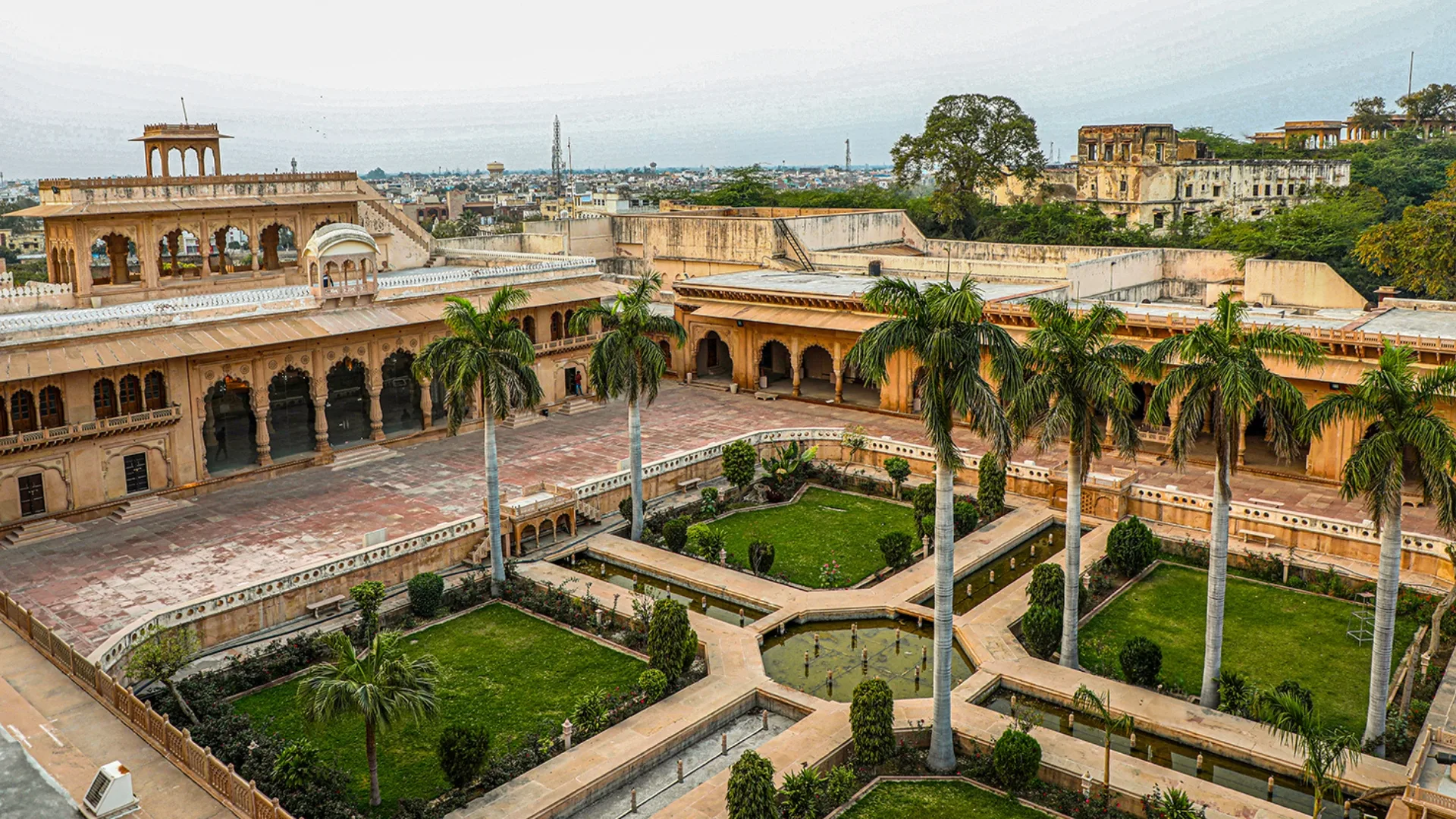
Divine and historic in all glory, the Mathura-Vrindavan-Agra hive is
one among the most spiritually energizing and historically rich travel
circuits of India. Every place has its own charm and lays claim to a
story.
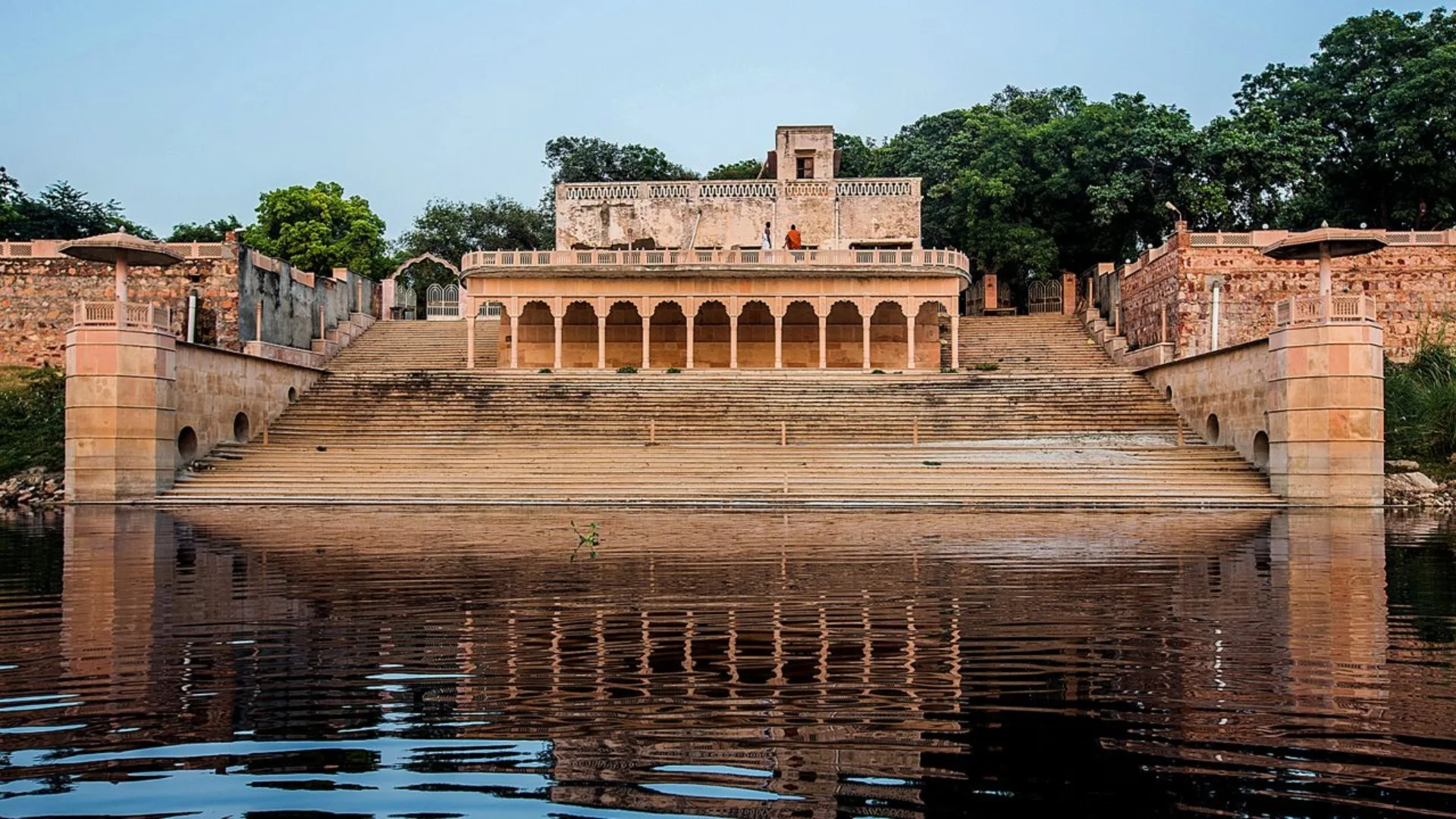
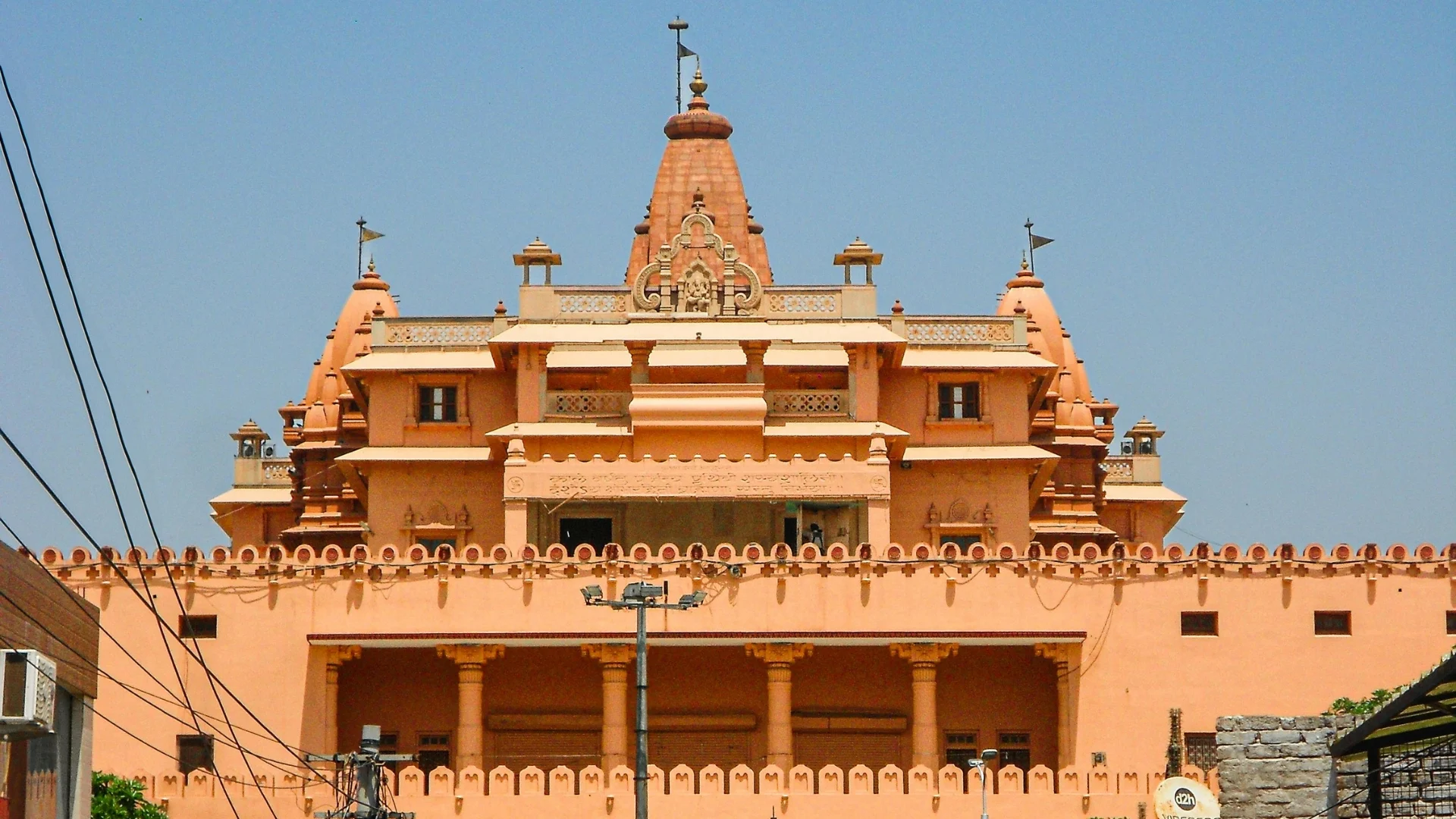
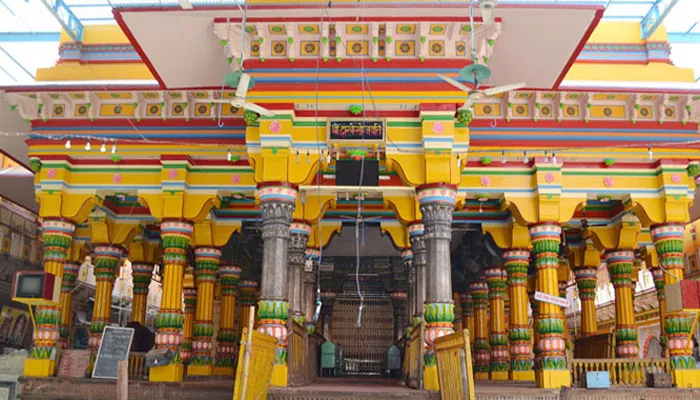
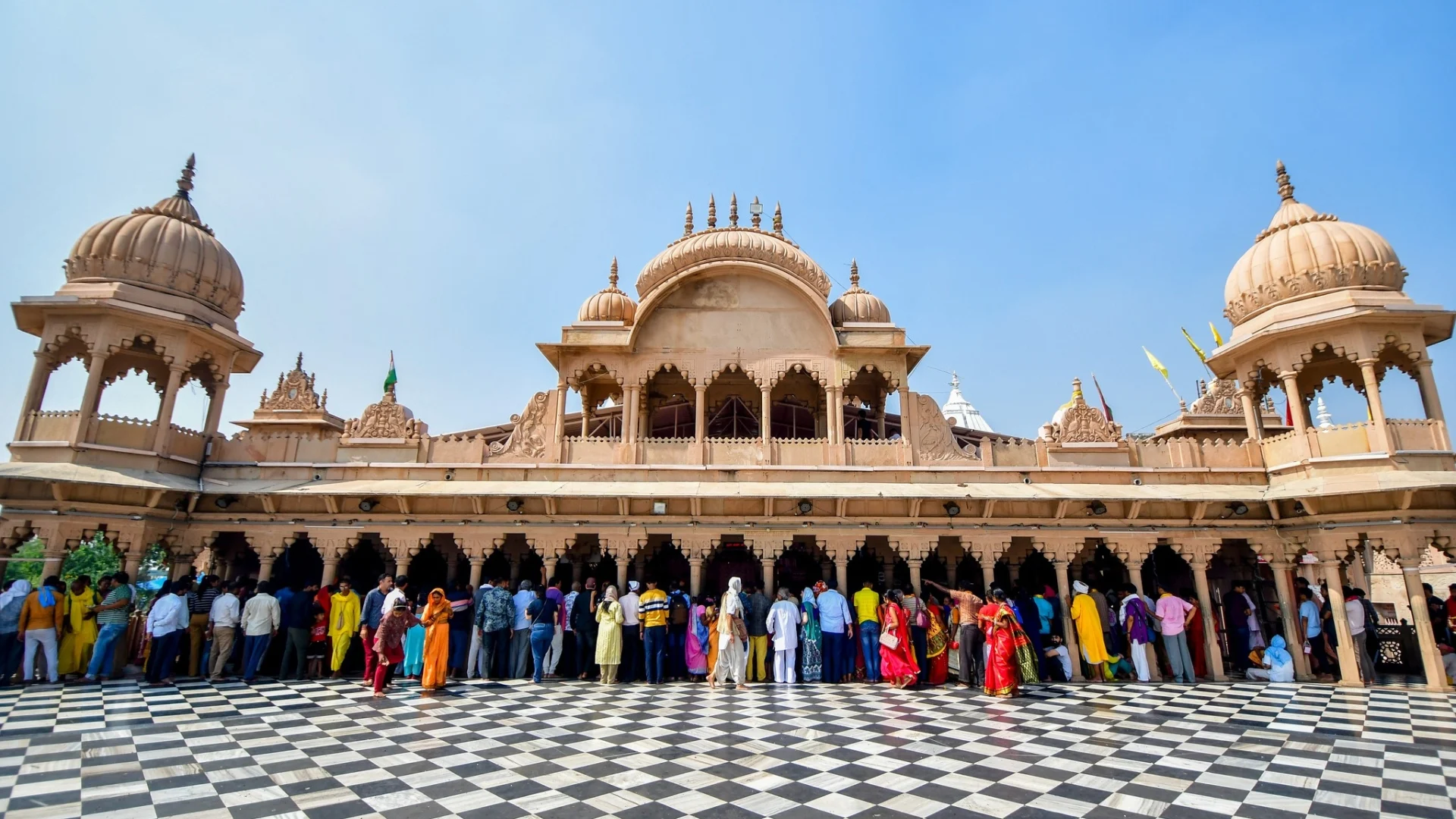
Mathura, the heartland of Lord Krishna's incarnation, has ghats lined
by temples and sacred sites that can almost reverberate with religious
chants and mythological stories. There is an aura of spirituality felt
mainly in early morning aartis along the Yamuna River.
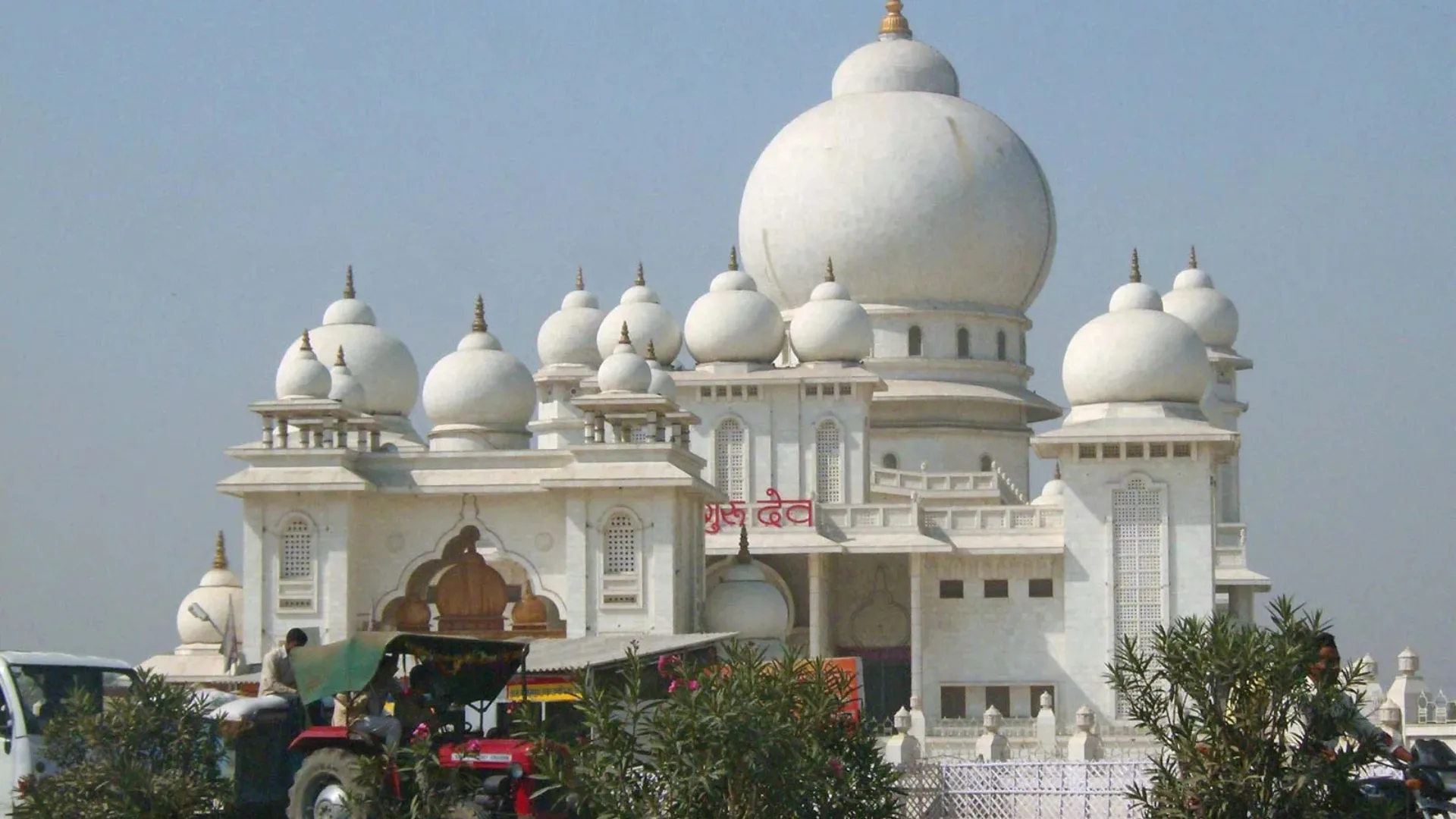
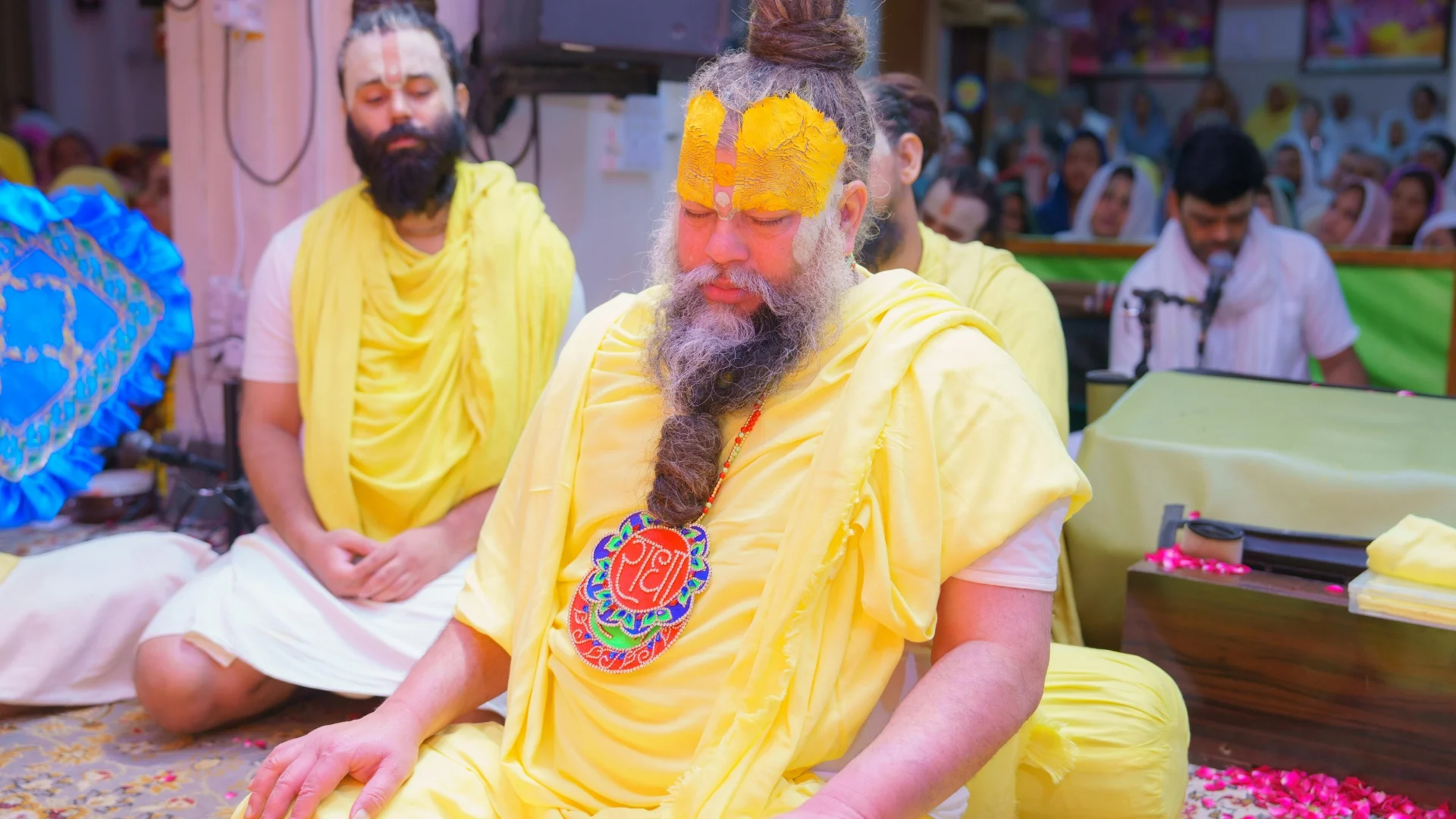
God knows how many kilometers away lies Vrindavan where Lord Krishna
is said to have spent his childhood years. The town is alive with
devout singing and temple bells being heard all day long from Banke
Bihari Temple, ISKCON Temple, and Prem Mandir with its spectacular
light show in the evening.
Bharatpur is the perfect stop where time seems to stand still. It is a
haven for bird watchers and nature lovers, with migratory birds
arriving during winter, especially at Keoladeo National Park. The city
also reminisces about Rajput architecture, with Lohagarh Fort standing
as a symbol of military might that was never defeated.
Agra, once the glorious capital of the Mughal Empire, is a treasure
trove of architectural wonders. The Taj Mahal, a UNESCO World Heritage
Site, draws visitors from around the world. Add to that the majestic
Agra Fort and the abandoned Mughal city of Fatehpur Sikri, and you
have a region rich in art, romance, and power.
This itinerary combines spiritual immersion, natural serenity, and
architectural marvels — offering you a wholesome, soulful experience
of India.
Rich Heritage and History of the Region
This region has a history running into thousands of years, holding
immense religious, cultural, and political significance.
Mathura is one of the seven most sacred cities in Hinduism. Human
beings had been living here for over 5,000 years; it was a major
center for culture and trade even before the Mauryan Empire came to
power. The city's connection with Lord Krishna had been maintained
through countless temples, scriptures, and rituals.
With divine play or leelas of Krishna alleged to have been performed
here, Vrindavan enjoys mythological importance. The town is full of
spiritual stories, from the beautiful Raas Leela with Radha and the
Gopis to tales surrounding Govardhan Hill. The temples were built in
the 16th century by devotees like Chaitanya Mahaprabhu and later
renovated by Rajput kings.
Established by Maharaja Suraj Mal in the 18th century, Bharatpur is
one of the oldest establishments in the country. Lohagarh Fort or Iron
Fort indeed lived up to its name when it stood tall against numerous
British attacks. Keoladeo National Park used to be a royal
duck-hunting ground but has now been transformed into one of the most
notable bird sanctuaries in the world.
Agra rose to prominence under Mughal rule, starting with Sikandar Lodi
and reaching its architectural zenith under Emperor Shah Jahan. The
Taj Mahal, built in memory of his wife Mumtaz Mahal, remains the
finest example of Mughal architecture, combining Persian, Islamic, and
Indian design elements. Agra Fort and Fatehpur Sikri further reflect
the grandeur and ambition of the Mughal dynasty.
Each stop on this route is not just a tourist spot, but a living
museum where history is woven into the fabric of everyday life.
Best Time to Visit This Spiritual & Cultural Circuit
The best time to travel is from October to March in Mathura,
Vrindavan, Bharatpur, and Agra. Pleasant are the days during these
months with temperatures ranging between 12 and 28 degrees
Celsius—just perfect for temple visits, walking tours, and bird
watching. This time, witness the start of Diwali celebrations,
Govardhan Puja, and several other festivities.
From December to February, the mornings are cool with crisp evenings,
suggesting a fine time for sightseeing and outdoor exploring.
Holi (February–March) in Vrindavan and Mathura is world-famous.
Week-long functions are organized in temples like Banke Bihari, and
the streets turn colorfully chaotic. Yet, the celebrations demand a
huge presence of the crowd, high demand for hotels, and there might be
traffic congestion. Book in advance.
From April to June, the temperature can go beyond 40°C, rendering
traveling uncomfortable. Monsoon comes between July and September.
While the landscape turns green, the road transport could be hampered
by sudden downpour and local flooding.
Best Food to Try
This region is a haven for lovers of pure vegetarian and satvik food.
Most meals are prepared without onion or garlic, especially near
temple towns.
Must-try dishes include:
-
Mathura ke Pede: A signature sweet made from khoya (thickened milk),
offering a rich, caramelized flavor.
-
Bedai & Aloo Sabzi: A crispy, deep-fried wheat puff served with
a spicy potato curry. A popular breakfast item found in Mathura’s
street corners.
-
Lassi & Rabri: Thick, creamy lassi topped with malai or rabri is
perfect to cool off after a hot day.
-
Vrindavan’s Satvik Bhojan: These wholesome temple meals are light on
the stomach and rich in spiritual vibes. Places like Govinda’s
Restaurant near ISKCON serve these with authenticity.
-
Agra’s Petha: A translucent sweet made from ash gourd, available in
different flavors like saffron, paan, and chocolate.
-
Local Thalis: Almost every city offers thalis with seasonal
vegetables, dal, roti, rice, and sweets — ideal for a balanced meal.
Tips:
- Avoid roadside stalls unless recommended by your guide.
-
Choose local dhabas or trusted restaurants for authentic taste and
hygiene.
-
Drink bottled water and avoid raw salads unless served in hygienic
places.
Tips for Planning
-
Book Early: Accommodations and transport get booked fast during
festivals like Janmashtami, Holi, and Diwali. Lock your plans at
least a month in advance.
-
Clothing: Light cotton clothes are ideal. Carry a scarf or stole for
temple visits. Winters can be chilly, so pack a light jacket.
-
Footwear: Wear easy-to-remove footwear. You’ll need to take them off
at temples, some forts, and religious ghats.
-
Cash & Connectivity: ATMs are widely available, but keep some
small cash handy for entry tickets, temple offerings, and local
purchases. Mobile signal is strong in most areas, but internet speed
may vary.
-
Temple Etiquette: Dress modestly. Avoid photography inside temples
unless permitted. Remove shoes, speak softly, and follow the queue
system.
-
Bharatpur Bird Sanctuary: Visit early in the morning for the best
bird activity. Bring binoculars, wear neutral colors, and carry
insect repellent.
-
Prem Mandir Show: The light and sound show starts at dusk. Arrive by
6 PM for a good viewing spot. The temple also looks stunning after
dark.
-
Local Guides: A guided walk in Gokul or Fatehpur Sikri enhances the
experience with stories and historical facts that you might miss
otherwise.
-
Health Kit: Carry essential medicines, a first-aid kit, oral
rehydration salts, and personal hygiene items. Hydrate regularly.
-
Shopping: Look for Mathura’s brass idols, Vrindavan’s incense sticks
and beads, Bharatpur’s local art, and Agra’s marble handicrafts and
leather goods.