About the Place: Mathura – Vrindavan – Agra
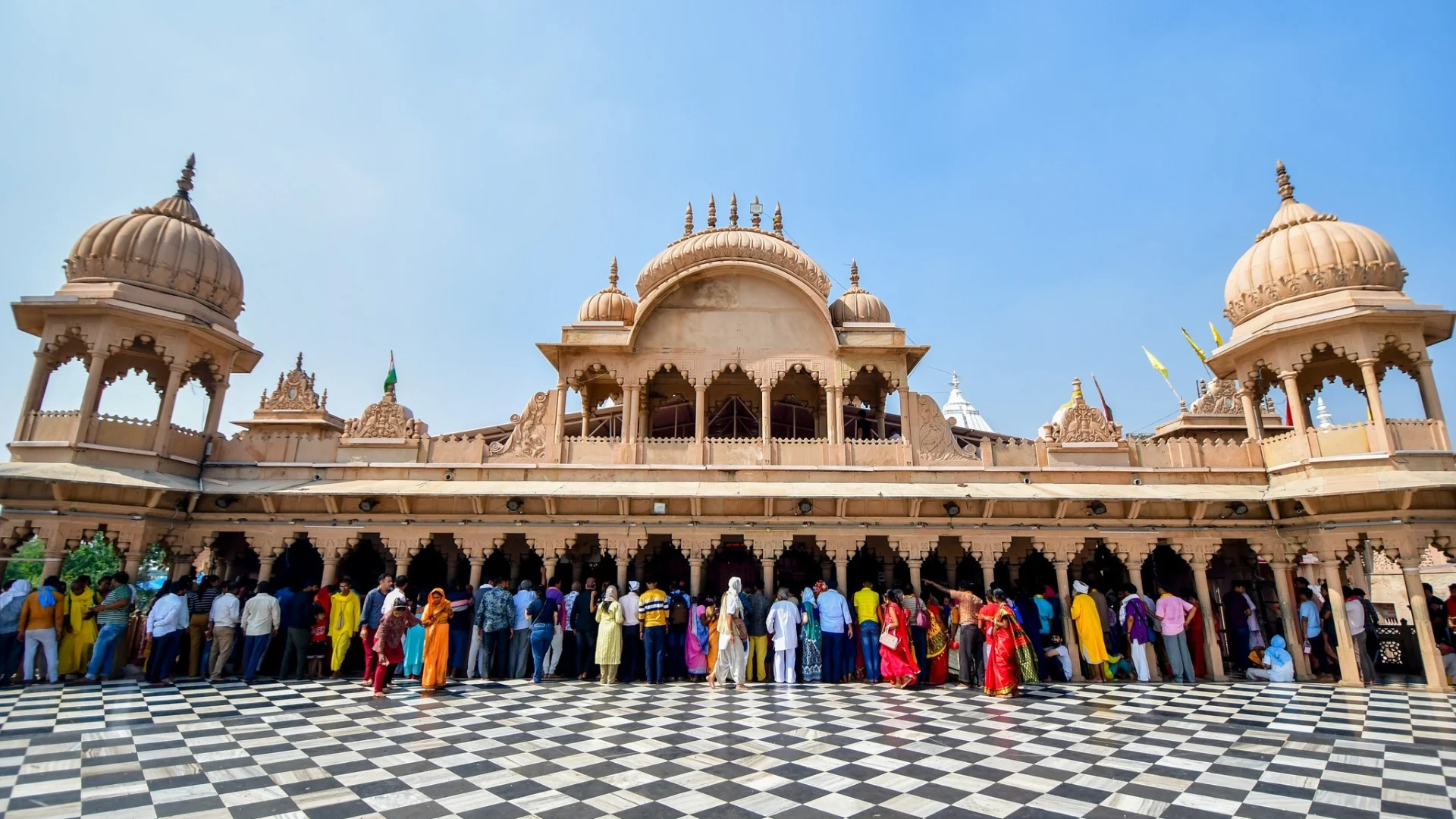
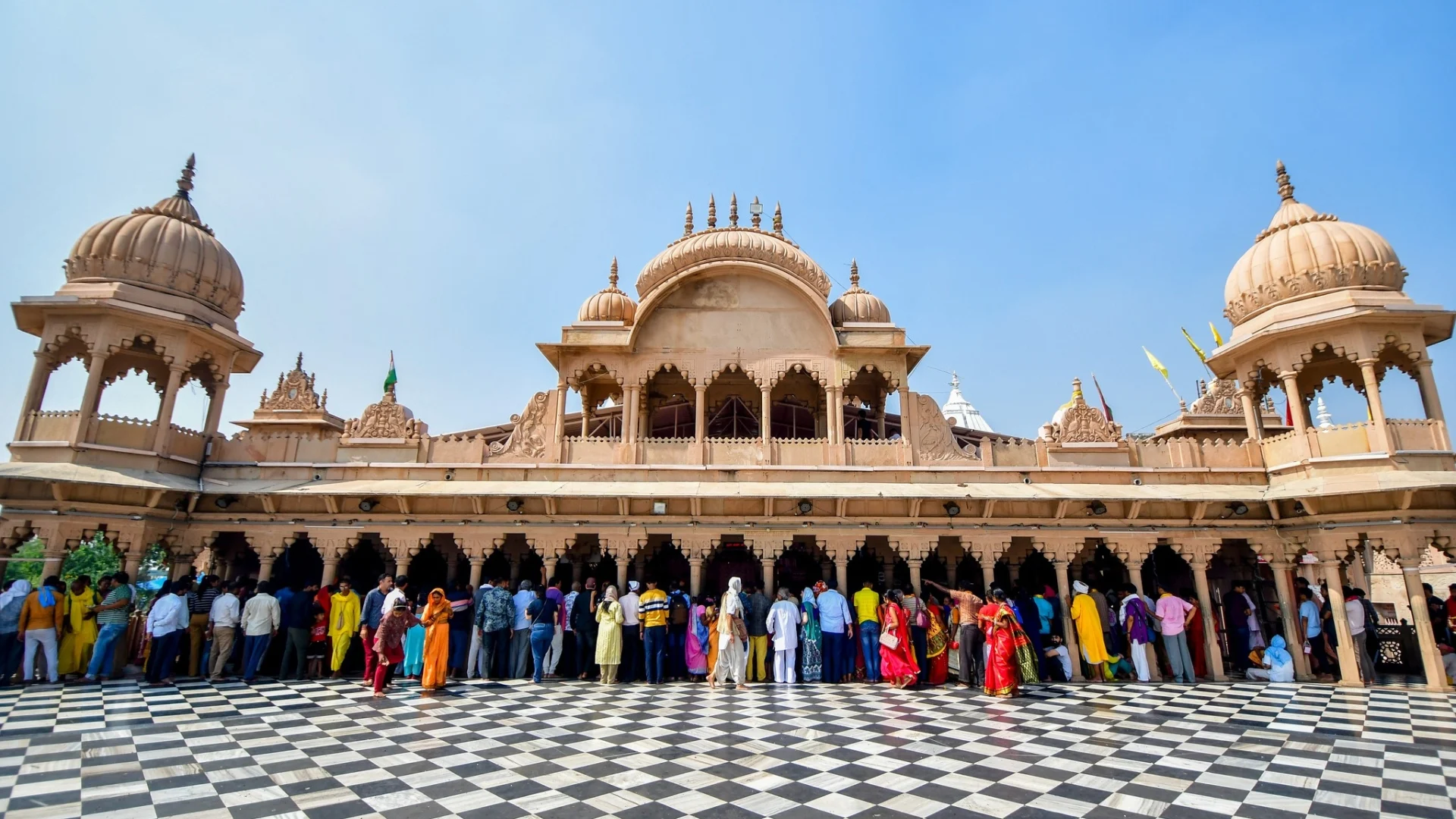
The sacred towns of Mathura, Vrindavan, Gokul, Nandgaon, and Barsana
are part of the Braj Bhoomi region. It is considered the divine
playground of Lord Krishna, and so holds utmost spiritual and
cultural-historic significance in Hindu culture. It is said that
Krishna's childhood days were spent in this land, and his tales of
miracles and leelas have kept resonating through its temples, ghats,
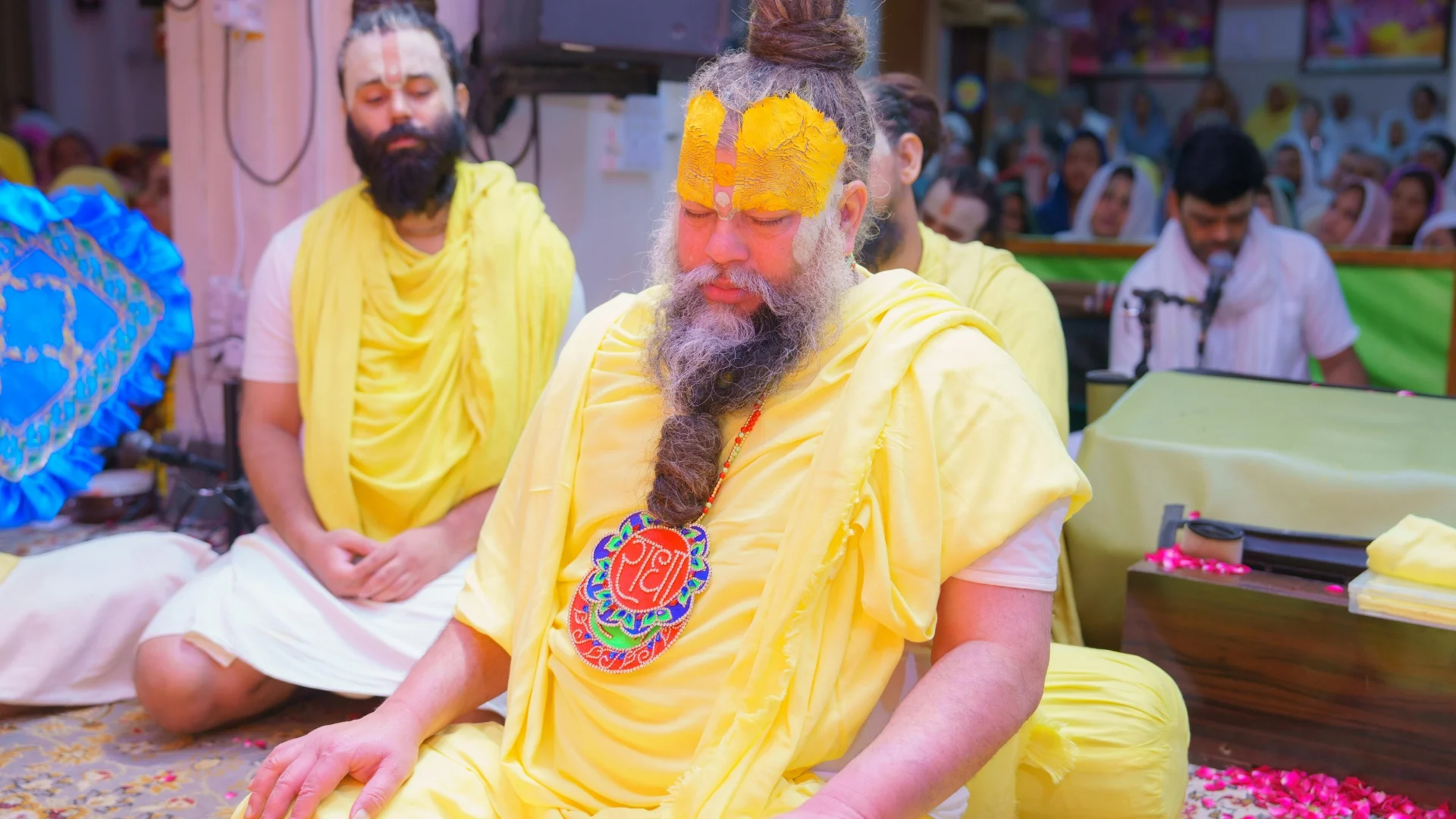
and alleys. The aura of bhakti emanates from every corner—flowed
through sacred Yamuna waters, from the temple bells in Vrindavan, and
spreading through colorful festivities in Barsana.
While Braj enthralls with its spiritual simplicity, Agra offers a
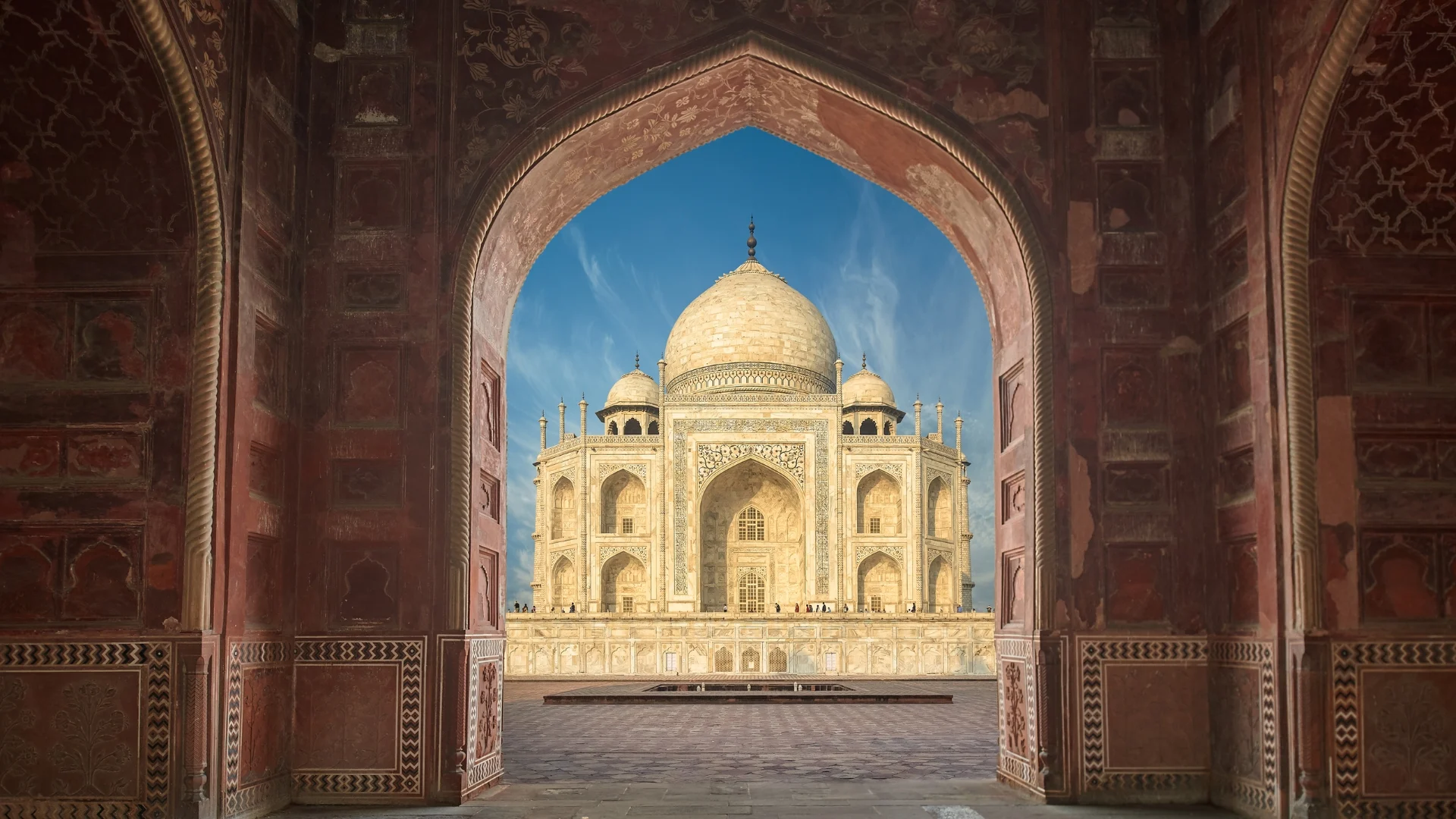
majestic glimpse into the royal past of India. Architectural splendors
like the Taj Mahal and Agra Fort situate the power and prestige of the
Mughal empire within Agra. These places, hand in hand, draw together
an ever-so-wonderful intersection of devotion, culture, history, and
architecture.
Historical Significance
Mathura, said to be the birthplace of Lord Krishna, is considered to
be one of seven sacred cities in Hinduism. According to the Bhagavata
Purana and other texts, Krishna was born in a prison at Mathura and
secretly taken to Gokul to be nurtured due to the threat from his
wicked uncle, King Kansa. His childhood miracles and divine pastimes,
including overpowering the serpent Kaliya and the divine dance with
Radha and the gopis (Ras Leela), took place in Gokul and later
Vrindavan.
Standing on equal footing in importance are Nandgaon and Barsana, the
respective homes of Krishna and Radha. The towns throb with life
during Holi and Janmashtami, when they become the spiritual and
cultural hubs of music, dance, and worship.
Agra was one of the strongholds of the Mughal Empire. The Taj Mahal,
built by Emperor Shah Jahan in the 17th century as a mausoleum for his
favorite wife Mumtaz Mahal, is one of the universal symbols of love
and architectural graceful. Ancient histories of military and
political powers of the Mughals are embedded within the walls of Agra
Fort, which served as a residence of the emperors Akbar and Aurangzeb
amongst others.
Best Time to Visit
Matters related to the best time to visit Mathura-Vrindavan and Agra
are mostly between October and March. During these months, it resides
with pleasant cool weather, whereas it becomes a comfortable companion
while exploring temples, ghats, and heritage monuments. The morning
and evening aartis hold a special charm in the chilly winter air with
deep connections to spiritual experience.
Avoid going during summer (April to June) if temperatures well beyond
40°C prevail in Agra. If you are looking for cultural immersions, you
would want to visit around Janmashtami (August–September) or Holi
(March). These festivals drench the whole region with colors, chants,
and simultaneous celebrations. However, keep in mind the absence of
hotels during this period; hence booking would very much require an
early date.
Best Food to Try
Your journey through Braj Bhoomi and Agra isn’t complete without
sampling their traditional delicacies. The cuisine here is entirely
vegetarian, often prepared without onion and garlic in keeping with
religious customs.
-
Bedai & Jalebi: A beloved breakfast in Mathura, this combination
of spicy lentil-stuffed puris and sweet jalebis is both hearty and
flavorful.
-
Peda: A soft, milk-based sweet offered at temples and sold widely
across Mathura and Vrindavan.
-
Lassi: A creamy, chilled yogurt drink that is both refreshing and
satisfying.
-
Braj Thali: A traditional satvik meal with sabzi, roti, rice, and
dessert—available at most temple-side restaurants.
-
Street Chaats: Try aloo tikki, kachori, and golgappe from popular
vendors—but choose only clean and well-rated stalls.
-
Agra Petha: A translucent sweet made from ash gourd, available in
flavors like saffron, paan, and mango.
Hygiene should be a priority, especially when trying street food.
Stick to well-reviewed restaurants and always carry bottled water.
Tips for Planning Your Trip
-
Start Your Day Early: Many temples have long queues and are best
visited in the morning hours.
-
Dress Modestly: Opt for comfortable, culturally appropriate
clothing. Carry a scarf or shawl when visiting temples.
-
Cash & Digital Payments: While UPI is accepted widely, small
vendors and guides may still prefer cash.
-
Footwear: Wear easily removable footwear since shoes are not allowed
inside temples.
-
Stay Hydrated: Especially important if you're traveling during
warmer months. Carry a reusable water bottle.
-
Photography Rules: Always ask if photography is permitted. Some
temples have restrictions.
-
Pack Light: Since the itinerary involves multiple transfers, avoid
bulky luggage.
-
Hire Local Guides: They add valuable context to your visits and help
navigate crowded sites.
-
Avoid Mondays for Taj Mahal: The monument remains closed to the
public on Mondays.
-
Respect Local Customs: Avoid loud behavior, be mindful during
rituals, and follow temple etiquette.