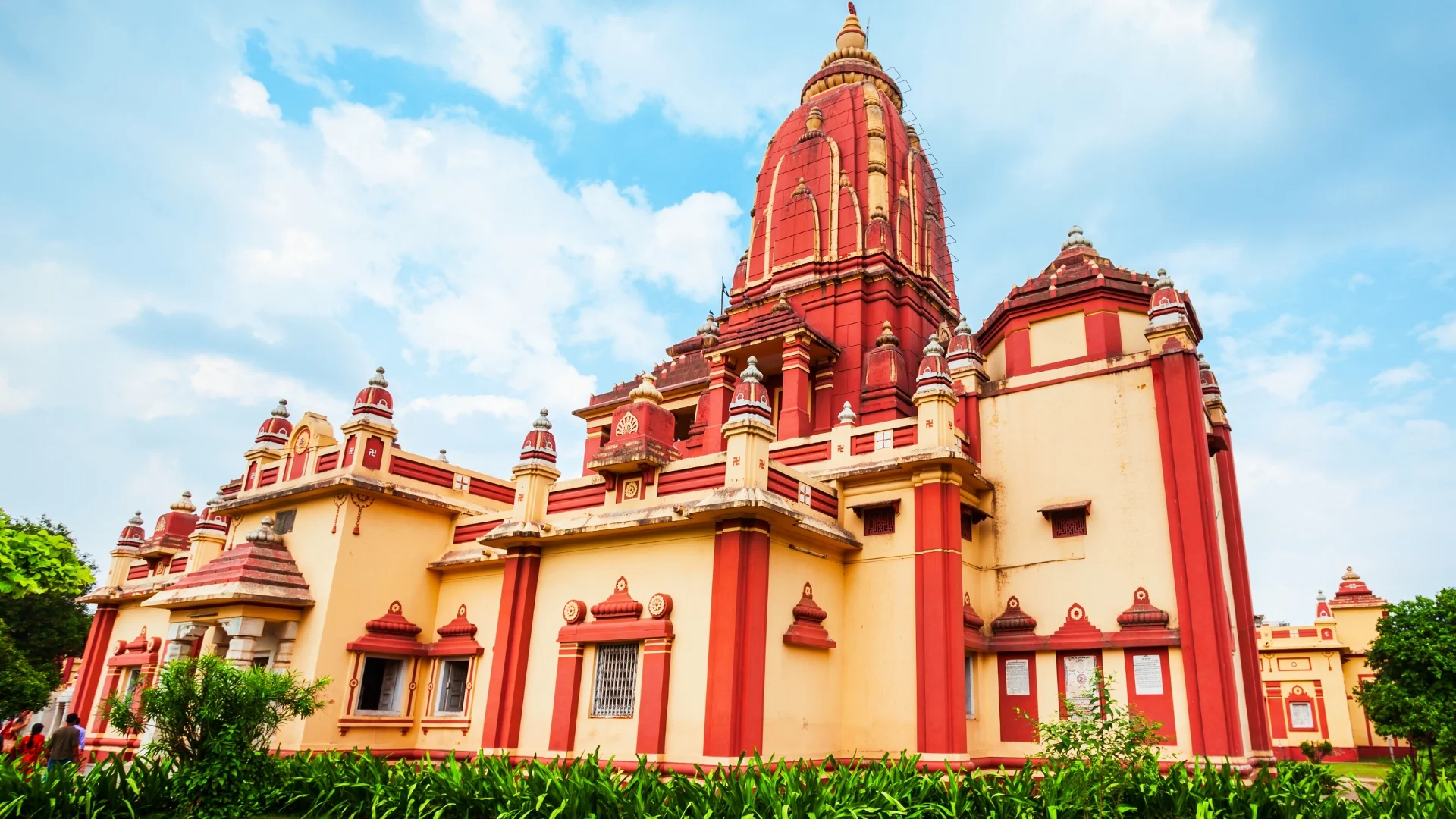
About the Place
Mathura, Vrindavan, and Agra together constitute the golden triangle
of spirituality, devotion, and history on the northern plains of
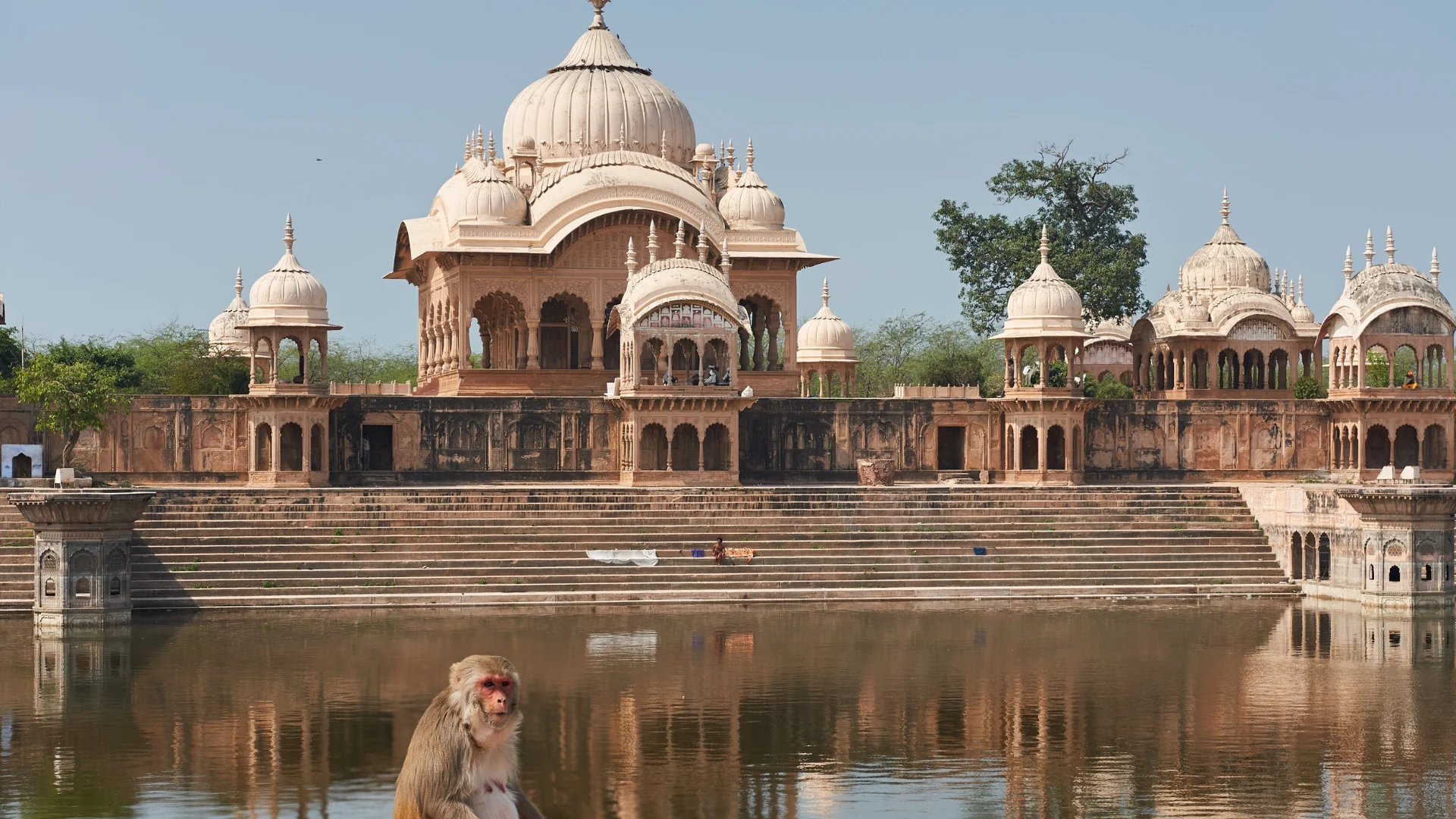
India. Mathura, a city on the bank of Yamuna, is glorified as the
divine birthplace of Lord Krishna. This ancient city exhibits as yet
bustling ghats, sacred ponds, and temples with a history of thousands
of years, amidst which waves of divine energy vibrated with chants,
rituals, and aarti. The very ground beneath one's feet here seems to
tell the story of Krishna's miraculous birth and his life.
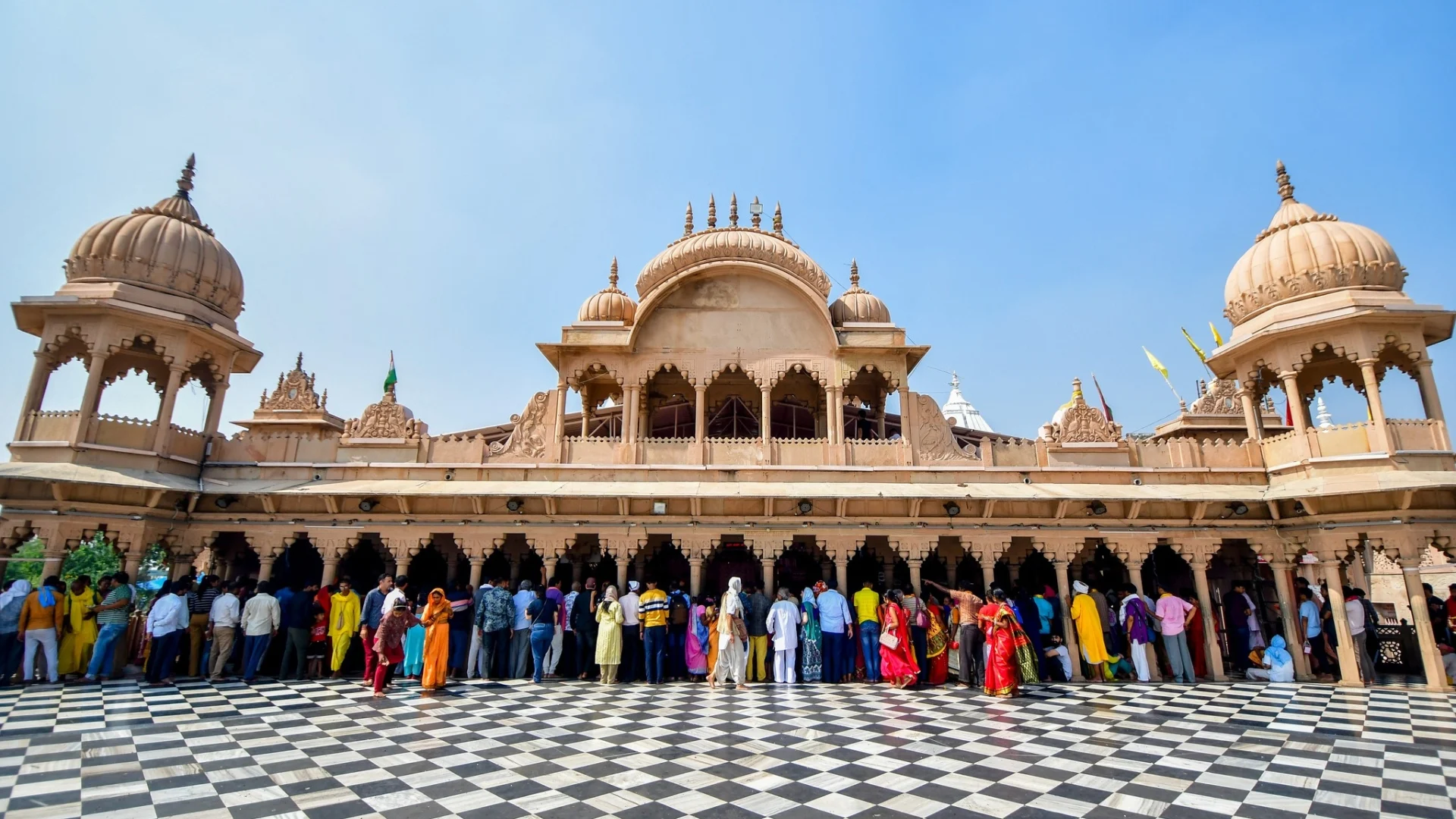
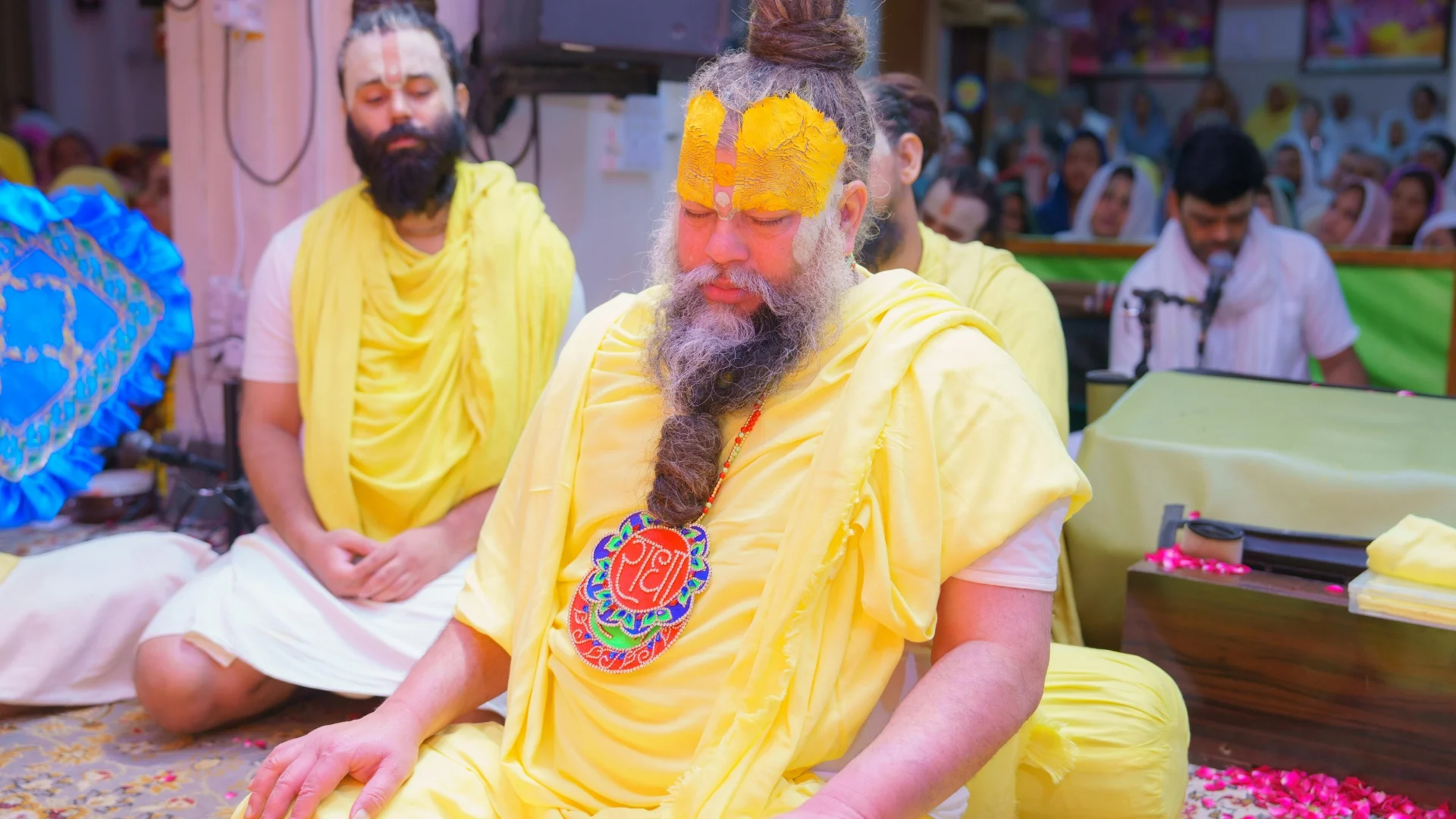
A walk away lies the town where Krishna was raised; he played his
flute, shared divine leelas with Radha and gopis, and spread messages
of love and devotion. It glimmers with spirituality; temple bells ring
from morning to night, and devotees drape themselves in flower
garlands, repeating chants, and pure bliss.
Agra, on the other hand, refutes the nation's glorious royal legacy.
Famous for the UNESCO World Heritage Site of the Taj Mahal, Agra
celebrates grand Mughal architecture and history through its palaces,
forts, and tombs.
This tour of four days makes a smooth union of divinity and royal
grandeur, meant for the spiritual seekers, history buffs, and cultural
travelers who want to witness the soul and glory of India in one lap.
Rich Heritage and History of the Region
Mathura historically goes back over 2,500 years. It has been mentioned
in ancient Indian texts such as the Ramayana and Mahabharata, and was
an active center of trade, art, and culture during the Maurya and
Kushan times. However, being the janmabhoomi (birthplace) of Lord
Krishna makes it one of the most sacred cities in Hinduism. Some of
the ghats of the city, such as Vishram Ghat, are said to be places
where Lord Krishna spent time resting after killing Kansa.
The spiritual significance of Vrindavan is associated with Krishna's
playful and divine childhood. The forests of Vrindavan were the
background of numerous leelas — sacred narratives of love and
miracles. The region was rediscovered and rejuvenated in the 16th
century by saints such as Chaitanya Mahaprabhu, who stressed bhakti
(devotion) and restored temples like Govind Dev and Madan Mohan.
Agra shares an equally interesting history. It came into prominence in
the sixteenth century with Mughals being recognized as the capital.
Akbar, Jahangir, and Shah Jahan carved an architectural heritage in
the form of Agra Fort, Fatehpur Sikri, and the Taj Mahal,
respectively, the last being a monument of love dedicated to his
beloved Mumtaz Mahal.
Together, these three destinations weave an illustrious narrated tale
of faith, devotion, and empire in India.
Best Time to Visit This Spiritual & Cultural Circuit
The preferred months to visit Mathura, Vrindavan, and Agra are between
October and March. This period experiences pleasant weather conditions
that accommodate the different activities like sightseeing and
visiting temples. Considering the daytime temperature range of 15 to
28°C, winter allows a pleasant walk on the ghats, going around forts,
and witnessing evening aartis free of discomfort caused by summer
heat.
Plan to visit during Holi, the festival of colors, either in February
or March, for a culturally vivid experience. Holi is celebrated with
high spirit in Mathura and Vrindavan — the spectacle is spiritual and
oozing with beauty. Temples like Banke Bihari and Dwarkadhish come
alive with flower petals, colors, and devotional music.
While December and January remain pristine, it can surely get cold in
the evenings, especially just by the Yamuna River-side; hence bring
warm clothes. These are perfect months for peaceful spiritual moods,
occasionally illuminated temples like Prem Mandir, and fewer crowds in
the main tourist spots.
Monsoon months (July–September) are a definite no-no; with heavy
rains, temple pathways and ghats get afloat, and it becomes
uncomfortable to move around. Roadways too become slippery, mainly in
the older lanes of Vrindavan.
For an all-around experience, winters work great, balancing between
the weather, festivity, and spirit.
Best Food to Try
The food in Mathura, Vrindavan, and Agra reflects a divine mix of
devotional purity and regional flavor. In Mathura and Vrindavan, all
meals are vegetarian, often sattvic (pure and simple), prepared
without onion or garlic in keeping with religious traditions.
Must-try dishes in Mathura/Vrindavan:
-
Mathura Peda: A rich, caramelized milk sweet that's not just a
delicacy but also a popular temple offering.
-
Kachori-Sabzi: Deep-fried bread served with spicy potato curry — a
filling and flavorful breakfast.
-
Aloo-Puri: Light and fluffy puris with tangy aloo sabzi, often
served as prasad.
-
Lassi & Chaas: Cool yogurt drinks, ideal for refreshing yourself
after temple rounds.
-
Thali Meals: Balanced plates with chapati, dal, sabzi, rice,
pickles, and a sweet.
Vrindavan also hosts many clean, ISKCON-affiliated eateries serving
international sattvic dishes, herbal teas, and Ayurvedic meals.
In Agra:
-
Petha: A translucent sweet made from ash gourd, available in many
flavors.
-
Bedai-Jalebi: A spicy lentil-stuffed bread paired with syrupy jalebi
— a local breakfast favorite.
-
Mughlai Dishes (optional): Tandoori platters, kebabs, and gravies
are available in select areas.
Always eat at reputed or hotel restaurants to ensure hygiene.
Tips for Planning
-
Start early: Begin your day by 7–8 AM to avoid crowds and the
afternoon heat.
-
Dress modestly: Cotton clothes, full-length bottoms, and scarves
(for women) are recommended. Avoid flashy or tight outfits,
especially in temples.
-
Temple etiquette: Remove shoes before entering, avoid photography
where prohibited, and refrain from bringing leather items.
-
Pack essentials: ID proofs, basic medicines, power bank, sunscreen,
reusable water bottle, and snacks.
-
Stay hydrated: Bottled water is a must; avoid drinking from local
taps.
-
Hire local guides: Especially in Gokul, Agra Fort, and Fatehpur
Sikri to get the stories and cultural context.
-
Accommodation: Choose centrally located hotels near temple zones or
major landmarks.
-
Check festival calendars: Due to high demand, book everything in
advance if you plan to visit during Janmashtami, Holi, or Diwali.
-
Travel mode: Opt for a private A/C vehicle with an experienced
driver familiar with religious routes and traffic diversions.
-
Evening activities: Don’t miss Yamuna Aarti at Vishram Ghat or the
Light & Sound show at Prem Mandir.
-
Safety: It’s a safe trip for all ages, but be aware of your
belongings in crowded areas.