About the Place: Bharatpur, Mathura & Vrindavan
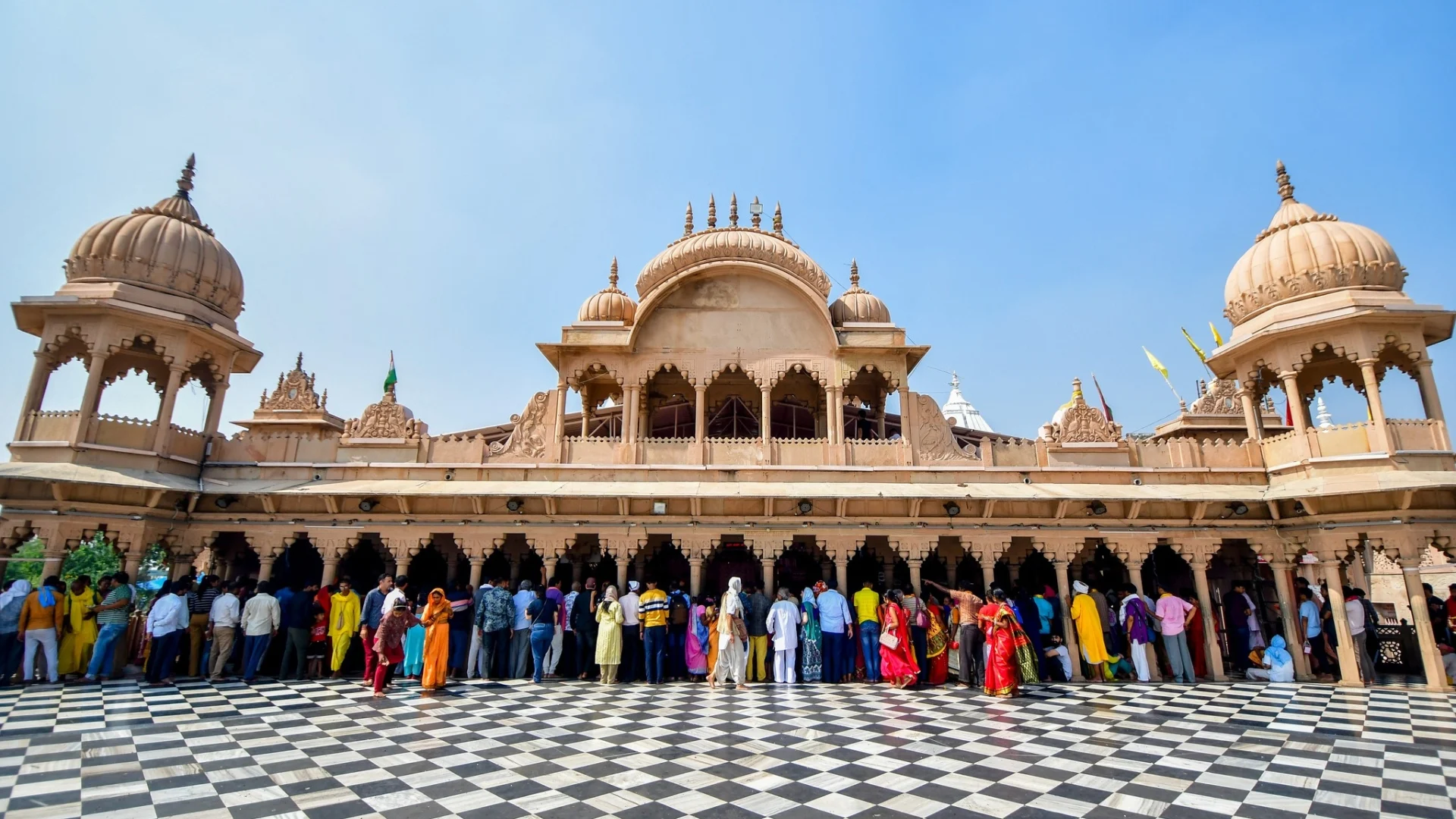
The sacred trinity of Mathura, Vrindavan, and Gokul is located at the
heart of Braj Bhoomi, a place full of mythology and devotion. The land
witnessed the birth, childhood, adventures, and celebration of Lord
Krishna, being one of the holiest pilgrimages for Hindus. These towns,
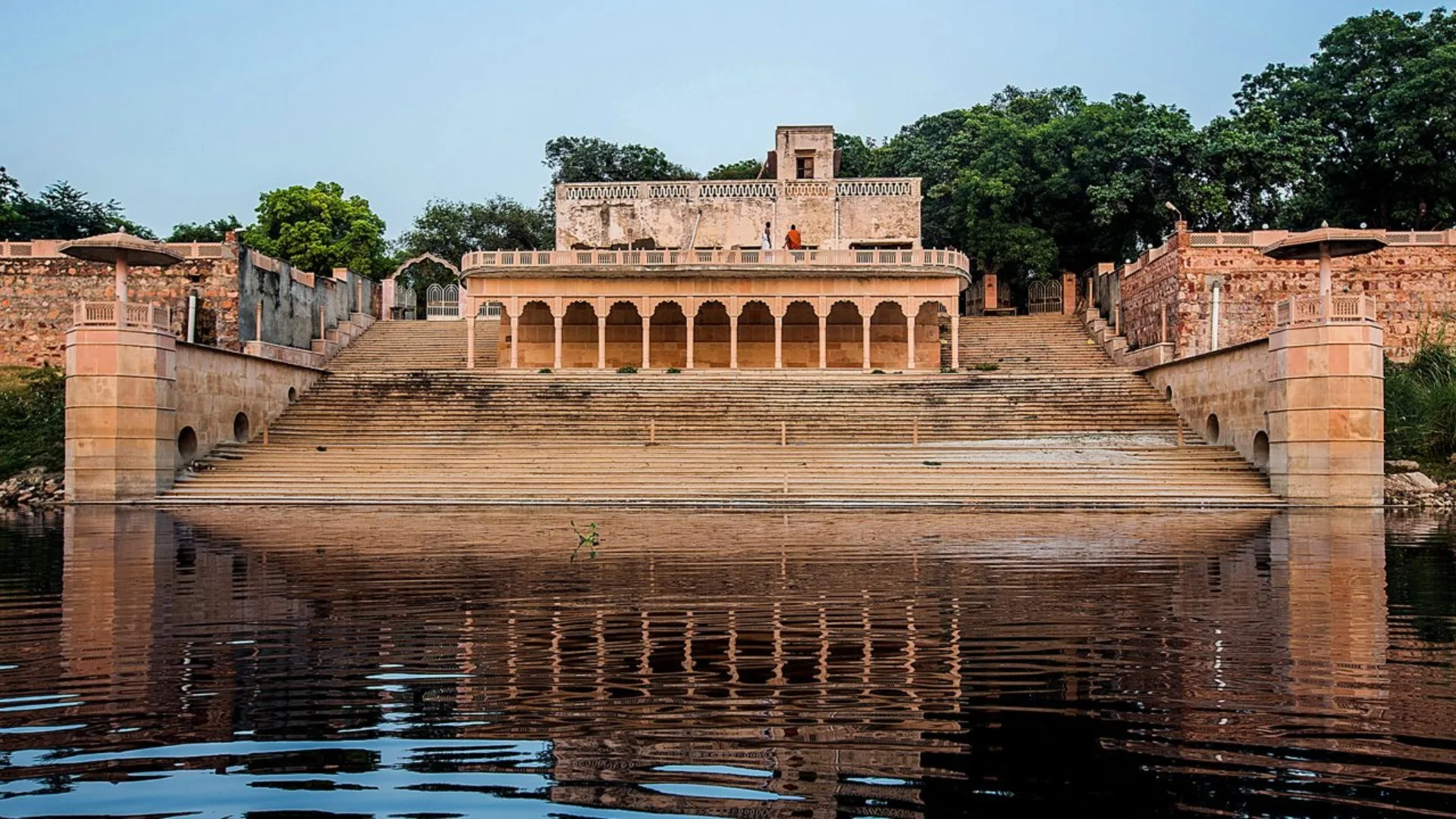
strung along the banks of the Yamuna River, still hold ancient
temples, vibrant ghats, and sites reminiscing about the days of
Krishna's divine childhood. Daily aartis, heartfelt kirtans, and
lively festivals celebrating scripture stories are a great attraction
for pilgrims and tourists.
Bharatpur is a few hours' distance away, offering an altogether
individual yet complementary experience. Known chiefly for the
Keoladeo National Park, it is now a paradise for bird watchers and
nature buffs alike. More than 370 species of birds-from migratory
Siberian cranes to local kingfishers-have made this UNESCO World
Heritage Site their favorite place.
Agra, the city hosting one of the Seven Wonders of the World, the Taj
Mahal, adds layers to this rich tapestry. It balances the spiritual
and natural facets of this three-day journey with its Mughal
architectural splendor and historical monuments.
These destinations, together, are a unique amalgamation of devotion,
history, nature, and art, making the tour a perfect fit for spiritual
seekers, culture lovers, and curious travelers.
Rich Heritage and History of the Region
Mathura
Being one of the ancient cities of India, Mathura has a history of
nearly 5,000 years. As per belief, this place is supposed to be the
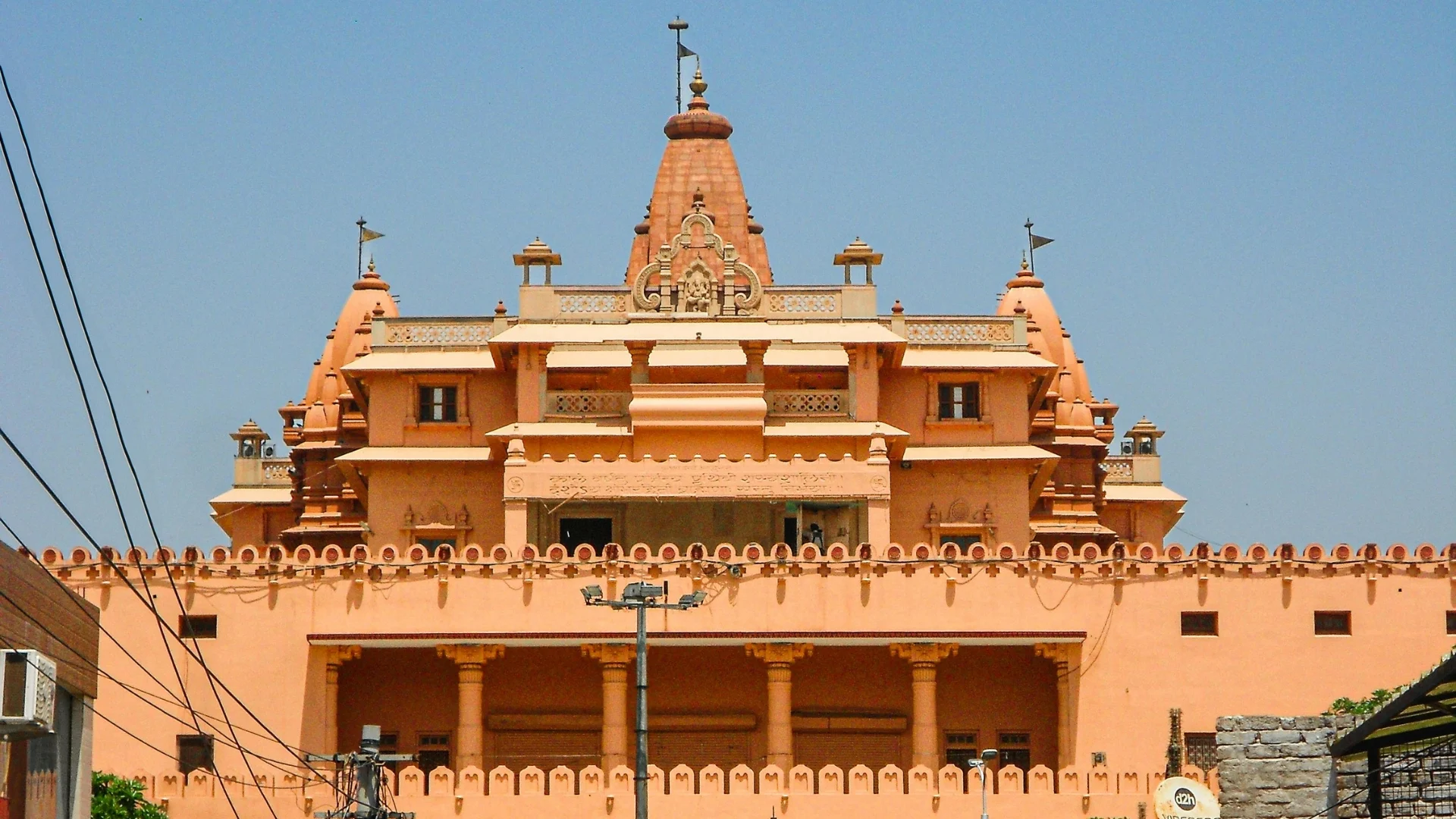
birthplace of Lord Krishna, who was born in a jail cell to Devaki and
Vasudeva. Today, the Sri Krishna Janmasthan Temple complex decorates
this wonderful spot, which thousands of devotees visit each year.
Throughout time, dynasties like the Mauryas, Kushans, Guptas, and
Mughals have ruled over the city, giving it its multilayered identity
with temples, sculptures, and architecture.
Gokul
Gokul lies about 15 km from Mathura and attains a godly status for
being the place where Krishna spent his early childhood days, being
hidden from wicked King Kansa. Brought up by Yashoda and Nanda Baba,
the stories of Krishna's mischievous acts and miracles, like butter
theft and lifting of the Govardhan Hill, have been immortalized in
places like Raman Reti (where Krishna played in the sand) and Brahmand
Ghat (where he showed the universe in his mouth).
Vrindavan
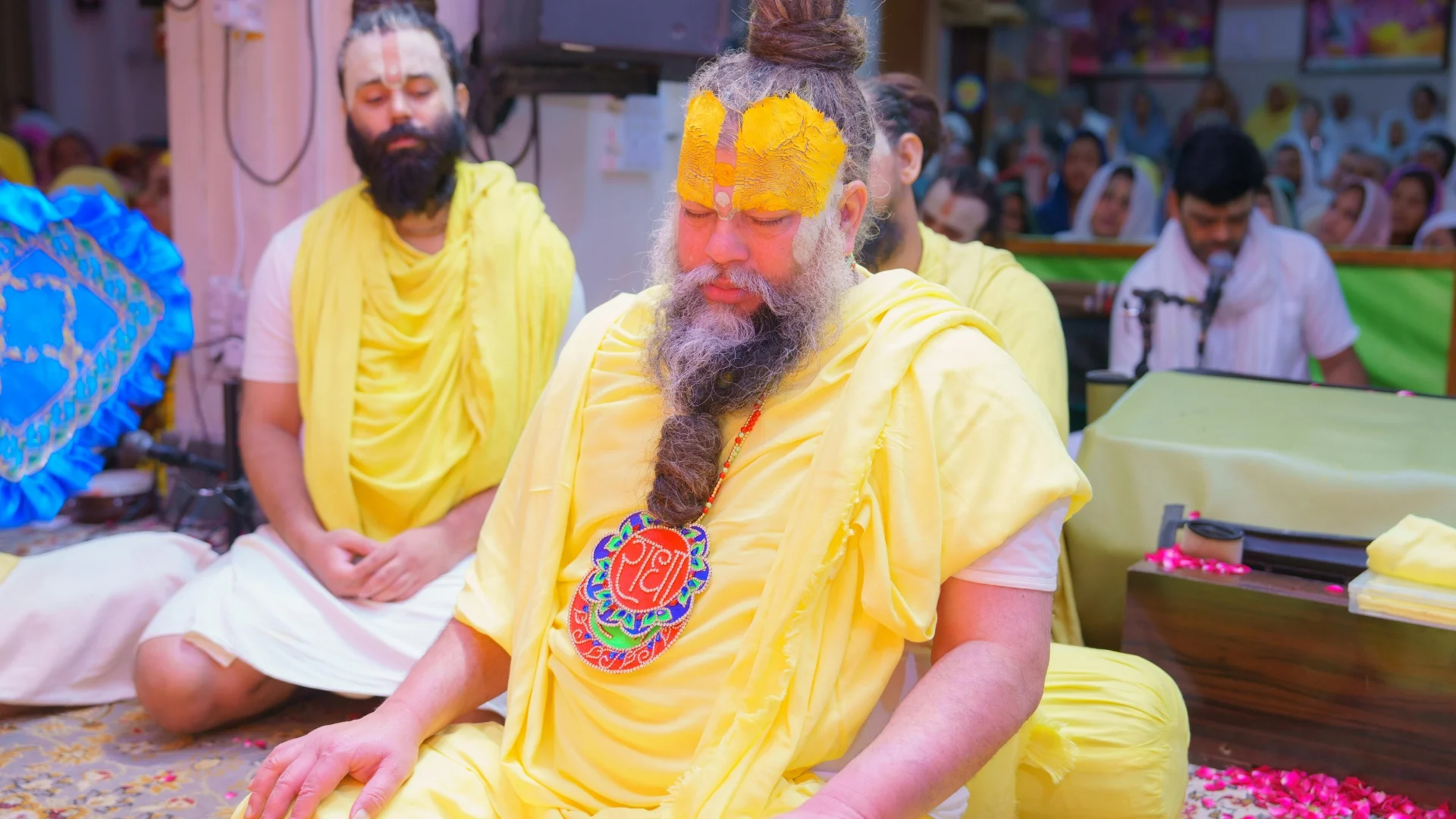
Raas Leelas with Radha and the Gopis were performed in this town,
which was considered sacred during Lord Krishna's teenage years. The
Bhakti Movement uplifted the town to spiritual prominence, and
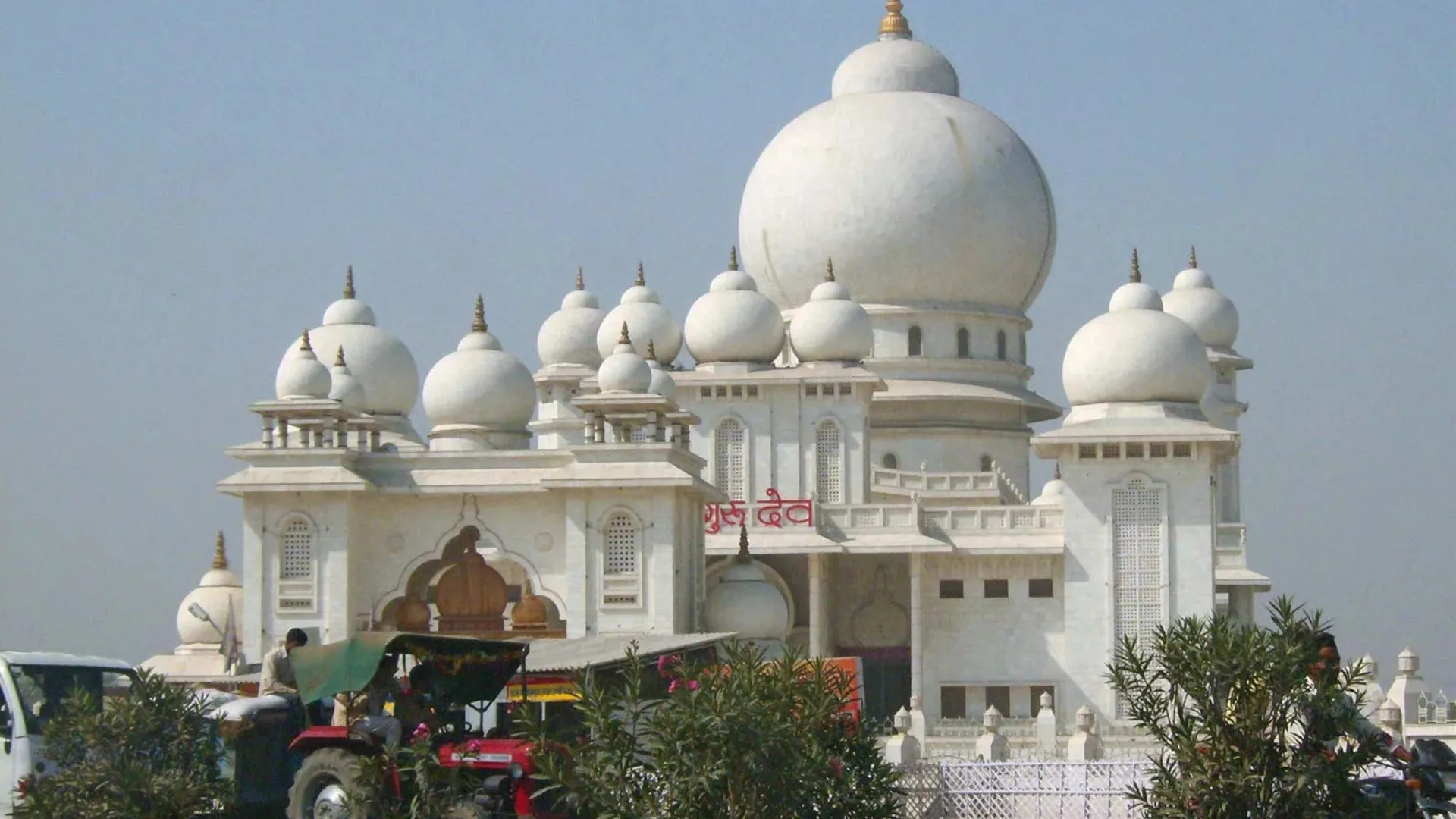
Chaitanya Mahaprabhu and Swami Haridas (the guru of Tansen) propagated
devotion through bhajan and temple-building activities. Presently,
Vrindavan houses about 5,000 temples, including Banke Bihari, ISKCON,
and Radha Raman, all differing in their traditions and ambience.
Bharatpur
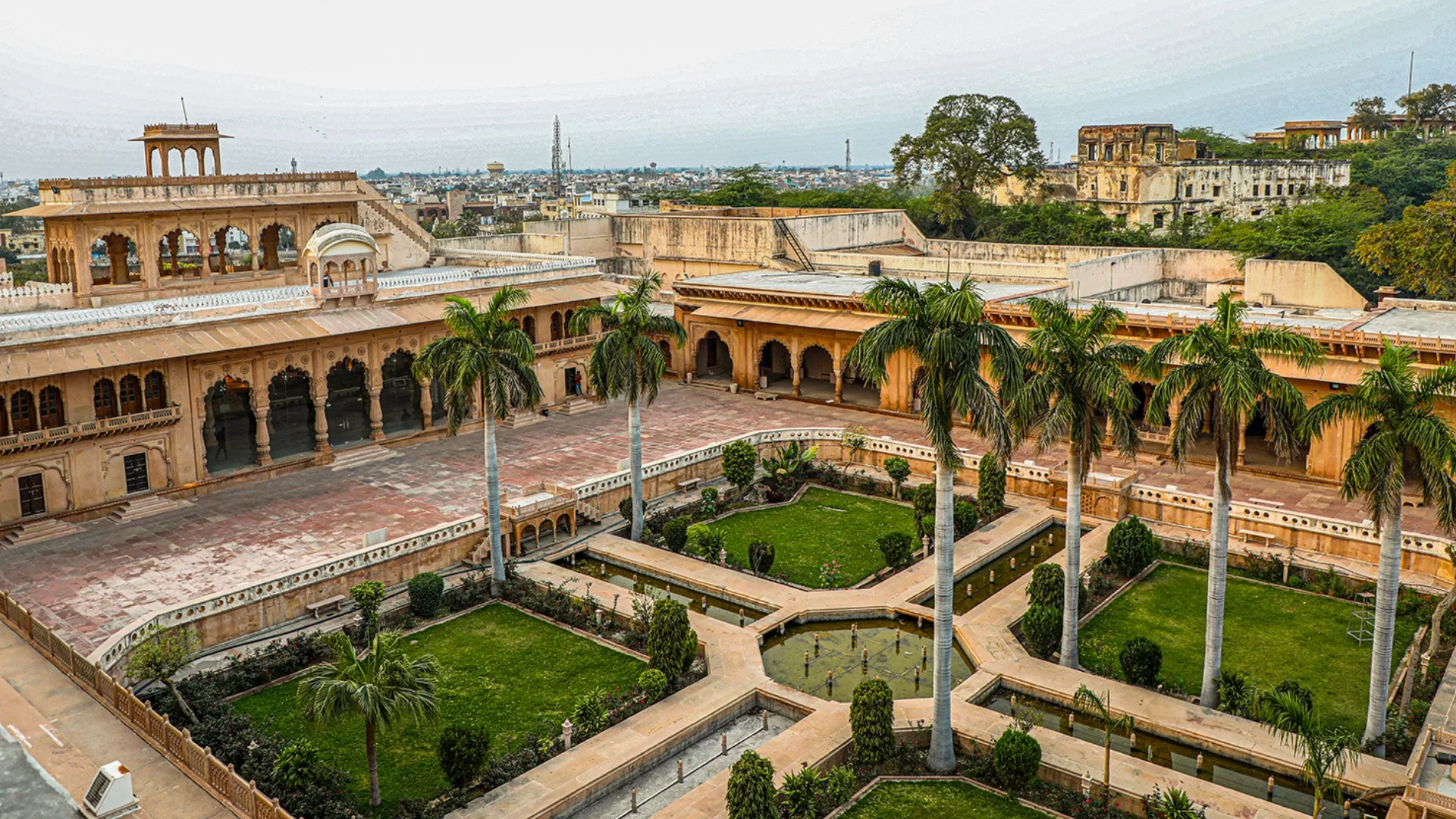
Once held by the Jats, the Lohagarh Fort in Bharatpur wonderfully
resisted repeated British attacks when other Rajput forts finally
fell. Thus, it narrates the region's ancient and modern valor and
resilience. The Keoladeo Ghana National Park, once a royal
duck-hunting sanctuary, was established as a bird sanctuary and today
attracts researchers, photographers, and ecotourists from around the
globe.
Agra
Agra was perhaps the pride of the Mughal Empire, if not the capital,
at one time under the emperors Akbar, Jahangir, and Shah Jahan. It has
remnants of architectural grandeur in the Taj Mahal, Agra Fort, and
the Tomb of Itimad-ud-Daulah, built on Indo-Islamic lines and telling
tales of kingship, artistry, and eternal love. Not being part of Braj
Bhoomi, Agra at least makes up for the former with its own historical
wonder.
Best Time to Visit This Spiritual & Cultural Circuit
The ideal time for this tour is from October to March, when the
weather is cool, dry, and pleasant—perfect for exploring temples,
participating in aartis, and enjoying long nature walks in Bharatpur.
Avoid April to June: Temperatures often exceed 40°C, making
sightseeing difficult.
Monsoon season (July to September) brings lush greenery but also humid
weather and possible travel delays due to rain.
For a Festive Experience, Consider These Times:
-
Janmashtami (August/September): Celebrate Krishna’s birth with grand
midnight aartis, plays (Krishna Leela), and processions in Mathura
and Vrindavan.
-
Holi (March): Witness the unique Lathmar Holi in Barsana and
Nandgaon and the spiritual, flower-filled celebrations in Vrindavan.
-
Diwali & Kartik Purnima: River ghats glow with diyas, and
temples host special rituals, especially in Vrindavan and Mathura.
These festive periods offer a more immersive and vibrant experience,
but expect larger crowds and limited accommodation
availability—advance booking is highly recommended.
Best Food to Try
This region offers Sattvic cuisine, which consists of pure vegetarian
meals often prepared without onion or garlic. These dishes reflect
spiritual customs and are deeply satisfying in flavor and tradition.
In Mathura & Vrindavan:
-
Mathura Peda: A rich, sweet milk-based delicacy, often offered as
prasad.
- Kachori with Aloo Sabzi: A crispy and spicy breakfast staple.
- Lassi: Creamy and sweet, often served in clay pots (kulhads).
-
Traditional Thalis: Ashrams and dhabas serve complete thali meals
with chapati, dal, sabzi, rice, and sweets.
In Bharatpur:
-
Rajasthani Thali: Includes Dal Baati Churma, Gatte ki Sabzi, Ker
Sangri, and Missi Roti.
-
Local snacks: Don’t miss Mirchi Vada, Rabri, and local sweets
available at street stalls.
In Agra:
-
Bedai with Aloo Sabzi: A flaky fried bread with spicy potato
curry—perfect for breakfast.
-
Petha: A translucent sweet made of ash gourd—available in multiple
flavors.
-
Mughlai Cuisine (optional, outside temple towns): Rich gravies,
biryanis, and kebabs are available for non-vegetarian food lovers.
Tip: Choose clean, reputable eateries for food safety and a better
experience. In temple areas, stick to vegetarian meals only out of
respect for local customs.
Tips for Planning
-
Book in advance during festive seasons like Janmashtami, Holi, and
Diwali, as temples and hotels get crowded.
-
Temples in Vrindavan and Mathura have traditional dress codes.
-
Avoid non-vegetarian food & alcohol while in sacred places like
Mathura and Vrindavan.
-
Start early. Some temples close at 12 noon and reopen in the
evening. Early morning aartis are worth attending.
- Smaller towns may not accept UPI or cards everywhere.
-
Stay hydrated, which is especially important if you’re walking in
temple areas or visiting during summer.
- Be prepared to walk barefoot in many temple complexes.
-
Hire local guides for in-depth stories, especially about places like
Nidhivan, Chinta Haran Temple, and Govardhan.
- Photography might be restricted inside some temples.
-
Carry ID proof required during hotel check-ins and some monument
entries.